Noteworthy Keynote Address by Dr. Ray Raymond
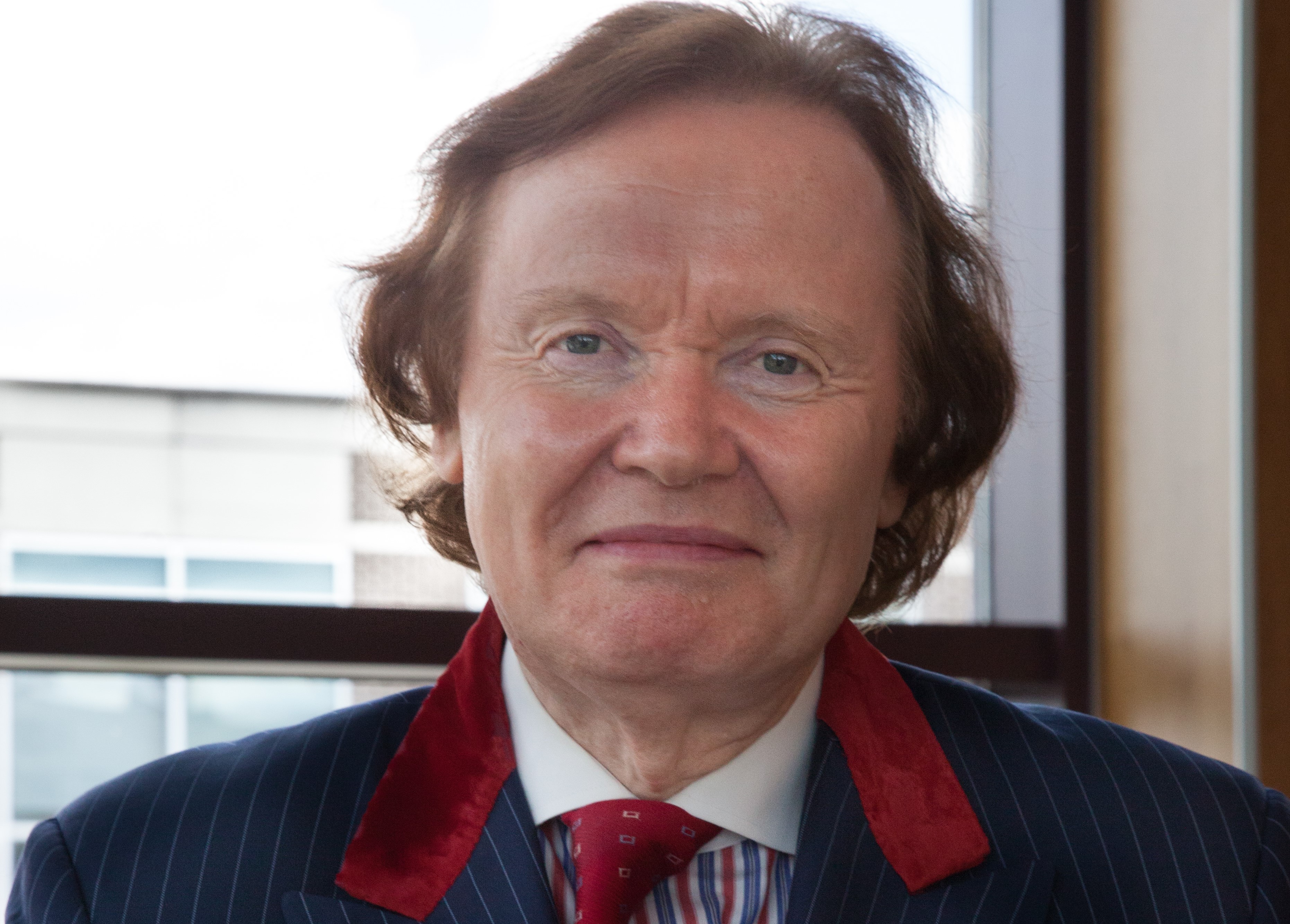
Portrait photograph of Raymond Ray

Dr. Ray Raymond has been a well-known professor at SUNY Ulster since 2005. He teaches government, politics, international relations, and American history. In addition, he is an adjunct professor of comparative politics and international relations at the US Military Academy. He is known for riveting lectures complete with an eloquent English air about them.

Teaching students at SUNY Ulster is one of many commitments Dr. Raymond is regularly engaged in. He is also a regular visiting lecturer at the US Air Force Academy and Fellow of the Pell Center for International Relations and Public Policy. He is also the Director of the Katt Institute for Constitutional Studies. His efforts have been recognized numerous times, including by the Times Herald Record Online.

An Address of Importance

On Saturday, April 13, Dr. Raymond gave the keynote address at the World Affairs Council of the Hudson Valley’s 6th annual student conference. He illuminated the diffusion of power in the international system since the turn of the century and suggested that that US international leadership has to be collaborative, not unilateral.

The outline of an eagle is filled with red and white stripes and a blue pattern containing white stars

Dr. Raymond suggested that the US does not have the power it once did. He also defended the liberal rules-based world order and recommended reforms in the US intelligence process to ensure that we avoid blind spots, in hopes that this will improve our understanding of the new strategic political environment.

Curious about this man and what the feel of his lectures are? Worry not, because he has contributed mini-lectures to AcademicMinute.org which are broadcast on WAMC Public radio from Albany. His broadcasts set out his views on US foreign policy and explain some key points of commitment and co-dependence between the United States and the United Kingdom. Listen to one of his broadcasts below.

The U.K.’s and The U.S.’s Special Relationship

Dr. Raymond’s Background

So where does our noteworthy professor get his skills from?
First, he is a former British diplomat who held a Post-Doctoral Fellowship at Yale University in American History. Secondly, before coming to SUNY Ulster, Dr. Raymond spent twenty years in Her Majesty’s Diplomatic Service as a specialist on the United States. During that time, he analyzed US government and politics, US defense and national security issues as well US trade policy. Between 1997 and 2005, he advised then British Prime Minister Tony Blair on US politics as well as secondary and higher education. He also served as policy adviser and speech writer for High Royal Highness, The Duke of York. In recognition of his diplomatic work, he was honored by Her Majesty Queen Elizabeth II with the Order of the British Empire.

A flag is bisected diagonally, the upper half depicting a partial american flag and the lower half depicting a aprtial uk flag

 As political officer of the British Consulate General, New York he played an integral role in the UK’s response to the terrorist attacks of September 11th, 2001 when 77 British nationals were killed in the World Trade Center. This included organizing events and giving speeches conveying the message to the United States that the United Kingdom would support it fully in the war on terror. One of them was at SUNY Ulster when Dr. Raymond gave the Howard St. John Lecture in late September 2001.

Dr. Raymond’s research  has been published by The Atlantic Council and the National Interest. Currently, Dr. Raymond is working on a new book which will be published late next year by the US Naval Institute Press. It is about five of West Point’s most courageous young officers and their heroic service in Iraq and Afghanistan.  

Political Influence Aside

Dr. Raymond’s top priority has always remained his students, however.  In addition to teaching, he has mentored many SUNY Ulster students long after they graduated, helping them win places and often scholarships at the Fletcher School of Law and Diplomacy at Tufts University, Columbia University, the University of Pennsylvania, Cornell University, and New York University among others.

This influential man also has a high satisfaction rating from his students. He has multiple inspiring reviews on sites such as RateMyProfessors.com. One anonymous reviewer, a political science student, left a rating of five out of five, saying, “Dr. Raymond always remained very professional, and he is thorough. He will explain it a second or third time if needed and always responds to my emails in a timely manner… I personally enjoyed learning from him. A stand up man/professional if there ever was one.”

His Method

A student in cap and gown puts his thumb up with a wide smile

Dr. Raymond says he gets students into history by making it stimulating. He stresses the importance and relevance of political history in ways that ensure students will be able to make an argument using facts long after they’ve forgotten details of the lesson. “If you’re not excited about it yourself, you can’t expect students to be excited,” he commented.

The Truth About Native American Trauma

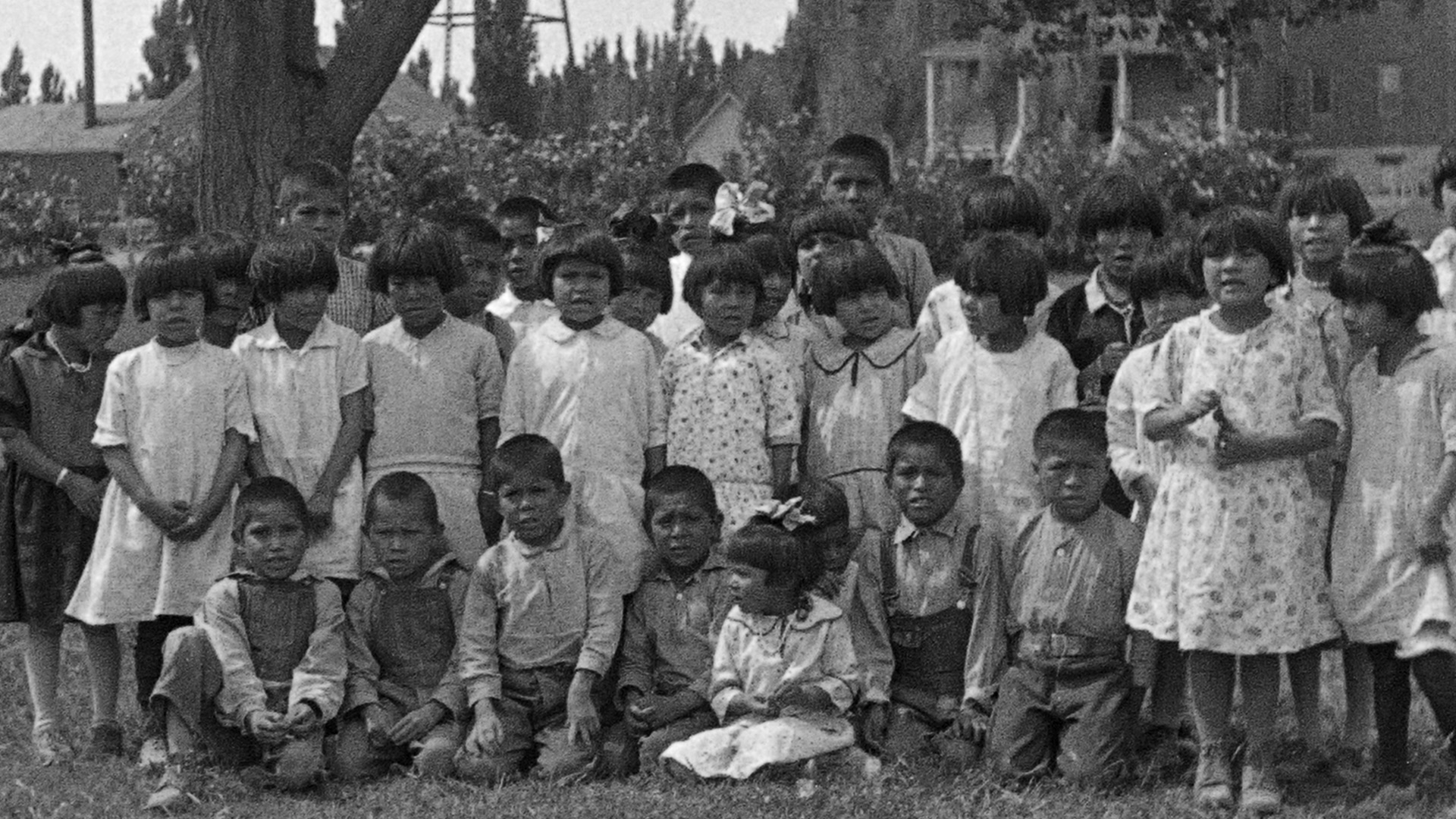
Navajo children, June 19, 1929

Dawnland is a documentary that has recently exposed the narrative of indigenous child removal in the United States, particularly in Maine. The story depicts Native American children that were taken away from their families by authorities and placed in white households.

First there’s pain, then there’s healing.

The film follows non-Natives sent out by the first government-sanctioned truth and reconciliation commission to hear the traumatic tales of those directly affected.  Emotions run high as these people work together toward healing the pain and effects from loss of community and culture these people faced in their formative years.


This gut-wrenching film is “a history lesson that you’re ashamed to have never learned but whose truths you’ll likely never forget,” as stated by Crosscut news. This bold emotional journey is remarkable to many folks, from many walks of life. You name an interest you have and this film includes it; criminal justice, psychology, social science and more.

It’s kind of a big deal!

black background with a foreground of a microphoneThis screening is being talked about all over! Check out the NPR radio broadcast from yesterday featuring the Co-director Ben Pender-Cudlip being interviewed about his work on the project. He sheds some eye-opening information on the subject of his film. A great preview of the full feature that you’ll want to hear.

Or for a shorter read, take a look at the article about this screening in the Daily Freeman!


Your official golden ticket.

We invite you to behold the first-hand stories and emotions of the Natives that were displaced. This documentary is an inside view of a recent event that continues to have lasting effects in an area very close to home. Come and be a part of a historical investigation! By bearing witness to the moving accounts of adults that were devastated as children by the state’s poor child welfare decisions.

 Georginia Sappier-Richardson sharing her story at a TRC community visit The screening (that you are more than welcome to attend no matter who you are) will take place on Wednesday, November

28, from 1:00 p.m. – 3:00 p.m. We will gather in the College Lounge, in Vanderlyn Hall on campus.

For a bit more info, visit our Facebook event page!

Take advantage of this unique opportunity!

production still of co director Ben holding a cameraLucky you, not only are you invited to attend this special screening that is being shown for the last time locally here at SUNY Ulster..

We also invite you to bring your notepad and an inquisitive mind along! Filmmaker Ben Pender-Cudlip will be in the house to introduce the documentary and have a discussion after the film. This event is free of charge and open to all members of the community. Experience for yourself the healing on the path toward reconciliation, truth, and the survival of indigenous culture.