An Interview with Chief Diversity Officer Lorraine Lopez-Janove

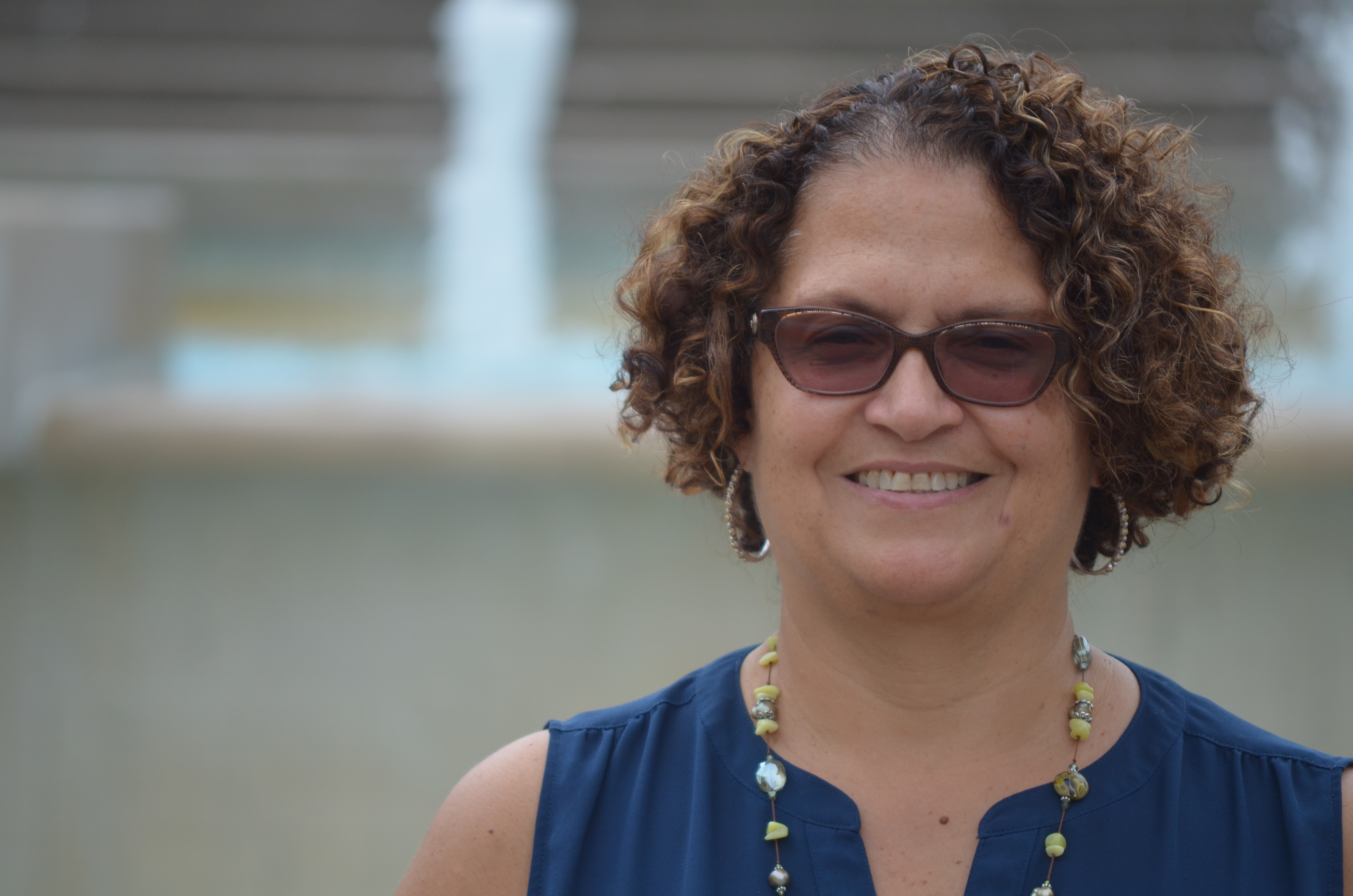
Lorraine Lopez-Janove

SUNY Ulster now has its first Chief Diversity Officer! Learn more about her and what she does for the SUNY Ulster community:

How would you describe your position to someone unfamiliar with it?
The Chief Diversity Officer is a person who focuses on opportunities to expand diversity and inclusion of all students, faculty, and staff. A CDO explores ways to improve organizational culture for all faculty, staff, and students by working collaboratively with campus leaders to solicit input, implement, and maintain the institution’s diversity and inclusion plan (DI Plan).
What sort of work does your position involve?
My position, specifically, is one that is shared among 3 colleges – SUNY Orange, SUNY Sullivan, and SUNY Ulster. I report directly to the President and am responsible for the implementation and maintenance of a strategic DI Plan. Some of my responsibilities include advising and conferring with the President on issues involving the programs and services of the College, including policies, procedures, and strategic planning as it pertains to diversity and inclusion; serving as the primary spokesperson in communicating the importance of equity, inclusion, and diversity as well as sharing the DI Plan to stakeholders; providing expertise and collaboration with the Office of Human Resources to develop, implement, and monitor policies, procedures, and activities which impact campus culture on diversity, such as hiring procedures, promotion and retention of current staff; and providing expertise on campus publications, media and public relations (such as website, social media, advertising, mass emails, etc.) to ensure that communications are free of bias and reinforce the commitment to an inclusive campus through word and imagery.
Will you be working with students directly?
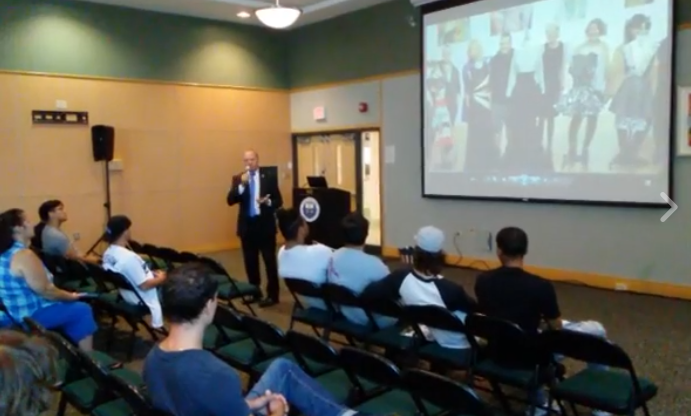
I’m going to begin working directly with students by holding forums to hear their thoughts on diversity and inclusion on campus. Based on student responses, I can provide recommendations to improve the DI Plan and SUNY Ulster’s efforts in inclusion. I plan to support the work of the director of student life as it pertains to activities that promote
diversity and inclusion on campus.
What do you hope to accomplish for SUNY Ulster in this position?
My goal is to carry out SUNY Ulster’s vision to empower students, faculty, and staff to build a diverse, welcoming, and inclusive campus for all faculty, staff, and students, where all are respected and appreciated for who they are as an individual. To develop and implement programs, trainings, seminars, lectures, events, discussions, and other group opportunities to promote culturally sensitive leadership and interpersonal skills for all members of the campus community; promote an environment which encourages respectful discussion to improve cultural proficiency; and provide expertise to appropriate campus leaders to develop a student recruitment and retention strategy that encompasses programs and activities to actively encourage the enrollment of diverse students and enhance the learning experience of all students.
What first interested you about this line of work?
As an educator, I have always focused on how best to create an environment where ALL students can learn regardless of race, ethnicity, social economic status, gender, gender expression, sexual orientation, religion, nationality, language, etc. I began my work as a teacher within the prison system where I often heard from my students that they dropped out of school because they didn’t ‘fit in.’ As I continued my work within PreK-12 school environments, I supported school districts that were cited for disproportionality of Black and Latino students either in special education or suspension address and revise their policies and procedures to become more inclusive. After reviewing the district quantitative and qualitative data, the main reason for the disparities always led to the districts’ inability to deal with differences of certain student groups. As CDO, I promote diversity, but of equal importance, inclusion. I can provide my expertise to campuses to create or strengthen inclusive environments to advance equal educational opportunity for all. Diversity and inclusion have always been very important to me.
What would you say are the biggest diversity-based issues facing colleges today?
I believe one of the biggest diversity-based challenges colleges face deals with inclusion – that feeling of belonging on campus regardless of identity. Every faculty member, staff, and student should feel they work or study in an institution that values their identities and beliefs; an institution that encourages them to be their true selves without worries of humiliation or retribution. As diversity increases, the need to be mindful and intentional in our approach to promote diversity and inclusion on campus needs to be at the forefront.

Guide to Surviving Midterm Week.

Man working at homework on desk

It may seem hard to believe, but Midterm Week here on campus is quickly approaching!

Over the next few days, you may find yourself wondering how you may ever survive all the projects, and studying that needs to be completed within such a specific span of time!

To survive what may seem like “Midterm Madness” we have put together some of our top tips that can help you get ahead of the game and dominate anything that comes your way!  

Attend Study Sessions.

Attending study sessions is a great way to get a professional and in-depth look at what the upcoming midterm topics. Professors are likely to let similar questions to those on your exams slip during these sessions, and that is an excellent opportunity for you to get a full study experience!

Meet With Your Professors.

Taking advantage of your professors’ office hours as the mid-term looms closer may allow for you get a full analysis on what areas you need to work on, and you may also be able to gauge what topics will be focused on by listening closely to what topics your professor focuses on during your meeting. You can find your professors schedules on their syllabuses, or posted on their office doors.

Stay Healthy.

You may be tempted to pull an all-nighter and spend little to no time preparing healthy food options for yourself. As you increase your brain activity even further this time more than ever your body requires sleep, and nutritious food to keep a clear mind!

Manage Your Time.

As previously stated in our blog post “How to Fight Procrastination this Semester” creating a customized study plan may be an essential part of your success during midterm week. A HUGE part of this is time management- the recommended study session from University of Guelph Learning Commons is studying for 1 hours with a 5-10 break in between.

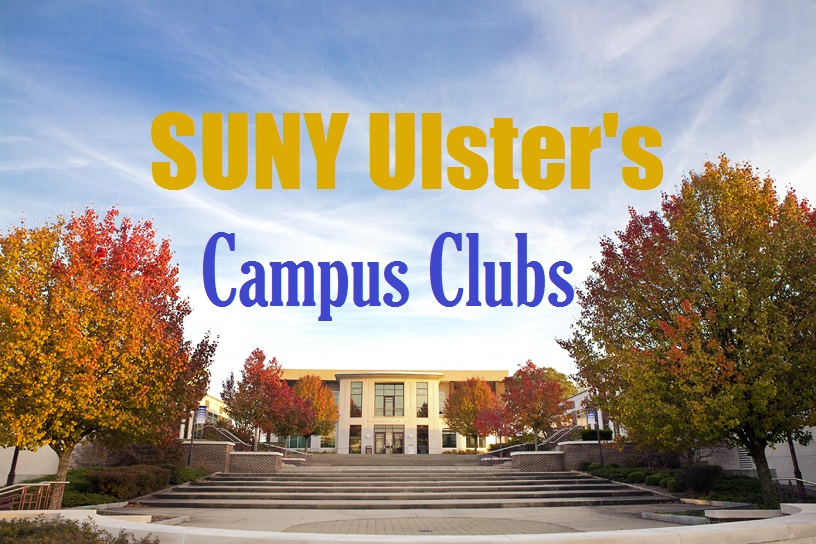
SUNY Ulster’s Campus Clubs

Front of library in fall with SUNY Ulster's campus clubs written in sky

You’ve been here a while now, and you’ve probably adjusted to classes and college life, but you may not feel really connected to Ulster yet. You may also be struggling to meet new people outside of class. How do you fix this? Well, one easy way is to try one of our many active clubs here on campus! Clubs are organized and run by your fellow students, with help from a faculty advisor. Here is a preview of some of the many interesting clubs on campus:

BIOLOGY CLUB

The Biology Club often works with the Environmental Club to plan and take part in events. The clubs have held panels and events on topics such as the effects of chemical spraying on farms, on the environment, and on consumers. This semester, the club hopes to take part in community volunteering, volunteering on local farms, hosting a blood drive, and possibly holding a bake sale as a fundraiser for those affected by the hurricanes. They are also trying to find a museum or event  to attend. Due to many overlapping interests, the environmental and biology club meet together in HAR 211 on Wednesdays at 1 p.m. Contact Nancy Decker at deckern@sunyulster.edu for more information.

BUSINESS CLUB

The SUNY Ulster Business Club presents an opportunity for students to experience and learn from various business-related activities. With speakers, club trips, and many club events, the Business Club can be a fun club for students pursuing a career in any field. Some of their past trips include a tour of YouTube studios and a tour of Wall Street. The meetings are held every Wednesday from 1 p.m.-2 p.m. in HAS 208. For more information, contact Mindy Kole at kolem@sunyulster.edu.


CRIMINAL JUSTICE CLUB

In the past, the Criminal Justice Club has gone to NYC to the “Bodies” exhibit and to the NYPD museum.  They have also had K9 officers and their partners come to school for a demonstrations. The Criminal Justice Club starts a charitable drive to help the less fortunate. They normally meet on the third Wednesday of the month at 1 p.m. in HAR 118. For more information, contact Thomas D’Amicantonio at damicant@sunyulster.edu.


DRAMA CLUB

Members of the Drama Club use their meetings to produce student written work, work on improvisation, and play theatre games. Their writing and acting has been on display at a number of improv shows and student productions put on for the campus community. They meet on Tuesdays at 2:30 p.m. in the Vanderlyn Rehearsal Room. For more information, contact Stephen Balantzian at balantzs@sunyulster.edu.

ENVIRONMENTAL CLUB

The Environmental Club focuses on educating the campus and surrounding community on environmental issues. They participate in community volunteer cleanup opportunities when possible, such as trail maintenance on I Love My Park Day, preparing the community garden with the Kingston YMCA Farm Project, and cleaning and restoring Kingston Point Beach. This work was recognized by SUNY’s 30 Days of Giving. They also raise money to donate to environmental groups and to preserve rain and cloud forests in areas considered to be most at risk of development. On campus, they have hosted events such as the film showing of “Open Sesame: The Story of Seeds” followed by a discussion panel, a talk by Larissa Walker on the importance of pollinators, and an Earth Day event in which they invited guest speakers and environmental groups. This semester, they will be hosting a forum on food security and the importance on getting food from our farms to the food pantries that need it. They meet at 1 p.m. on Wednesdays in HAR 211. Contact Jennifer Costello at costellj@sunyulster.edu for more information.


FASHION CLUB 

The Fashion Club promotes fashion awareness on campus and does fundraising events for field trips. In the past, they have made club t-shirts and planned fundraisers. They meet in the HAS 202 Sewing Room at 4:30 one Wednesday a month. Contact Kristin Flynn at flynnk@sunyulster.edu for more information.

FOCUS

FOCUS (Fellowship Of Christian University Students) aims to encourage spiritual growth among the college community, create an atmosphere of studying the Scriptures, establish opportunities for community service both on and off campus, and equip students with skills and experiences that will further develop leadership skills. In the past, club members have sponsored a coffee house and passed out Final Exam Survival Pack goodie bags to the campus community. The club meets on Wednesday afternoons from 1-2 p.m. in the Dining Hall, where they pray together and do a Bible study. Contact Dr. Hans Vought at voughth@sunyulster.edu for more information.


HUMAN SERVICES CLUB

The Human Services club puts their classwork into practice by helping those in need throughout the year. This year, they will be working in collaboration with the Nursing Club to do activities with older adults in a local nursing home. They also plan to help a soup kitchen prepare and serve meals on Thanksgiving Day and host a talent show in the spring. In the past, they have worked together to buy gifts for children who otherwise wouldn’t receive gifts on Christmas. The Human Services Club meets every Wednesday at 2 p.m. in Hardenbergh 117a. Interested students can contact Vicky Burgh-Harris at burghhav@sunyulster.edu.


NURSING CLUB

The nursing club is very active on campus and the local community. Members have held health fairs, blood drives, holiday card signing, health walks, and collected and distributed food for the food pantry. They also run the Salvation Army holiday angel tree that pops up in Hardenbergh every Christmas. This year, they will be running a session of holiday arts and crafts at a local nursing home around Thanksgiving. They meet at 1 p.m. the first Monday of every month in the nursing lab. Nursing students interested in participating can contact Ellen Tangney at tangneye@sunyulster.edu.

SUAA

SUAA (SUNY Ulster Art Association) gives students the opportunity to develop personal work for their portfolios.  Last year SUAA painted the mural in Vanderlyn outside of the Vice-President’s office. In the past, they have gone on a museum visit to Boston, made cards at the Woodstock School of Art, and visited the Storm King Art Center. They meet in VAN 261 at 1 p.m., typically on the second and fourth Wednesdays of every month. For more information, contact Chris Seubert at seubertc@sunyulster.edu.


VET TECH CLUB

The Veterinary Technology Club’s primary goal is to help animals in the community. They have hosted pet owner education at SUNY Ulster, raised money for Kevlar vests for Kingston’s Police K-9 unit, donated new instruments to the UCSPCA, paid for students to attend continuing ed seminars by the NYS Association of Veterinary Technicians, and hosted internationally known speaker Temple Grandin in 2012. Students have also volunteered in a TNR program for feral cats with the UCSPCA and arranged rabies and microchip clinics held at SUNY Ulster. They won an award for Collegiate Philanthropy from the Mid-Hudson Fund Raising Professionals Chapter in 2011.  The club meets every other Wednesday (when SGO doesn’t meet) in HAR 207 at 1:15 p.m. Interested students can contact Beth Alden at aldenb@sunyulster.edu or Sandy Wiltshire at wiltshis@sunyulster.edu.


WRITING CLUB

The Writing Club meets every week to share the creative writing of its members. They respond to prompts and bring in their own work for discussion and critique. Some members have published work workshopped at meetings. The club meets in DEW 104 on Wednesdays at 1 p.m. Interested students can contact Nicholas Haines at hainesn@sunyulster.edu.

Stories of SUNY Ulster — Marla Gruner: Family Woman, Educator, Library Scientist

The Stories team recently got an opportunity to conduct an interview with SUNY Ulster’s own charismatic librarian: Marla Gruner. Invariably seated at the help desk, Marla is known for her pleasant helpfulness and the sagacity of her assistance. Entering her office, we are delighted to the smell of fresh coffee, photographs of her two adorable children, and a glowing presence ready to talk.

“I was an English major in college, and I realized there wasn’t a whole lot I could do with an English degree *Laughs*. So I thought, what are my options? I talked to my advisors and they were iffy about it, and I think I took a career quiz and found out that I could go on and get my masters in library science very easily, and I had also worked in a public library when I was in high school and I liked it! It’s not a thrilling story or anything, I was just fortunate enough to have a direct line to working in this field, sort of a straight path…Mostly it’s the people here that I like working with, there are a lot of energetic, fun people to work with. It’s a small community, and unfortunately a lot of people come here from disadvantaged circumstances, so I really enjoy being able to help them in any way; be it finding a book or navigating the site…I’m teaching at F.Y.E. this semester, so I feel like I’m really able to branch out, talk to people and meet more students — that’s one thing about the library is you don’t always necessarily get to know the students very well, you don’t see them as much as their professors might per se. I feel like this is a great opportunity to know more students better…So, yeah, I just really like the community college environment and feel, and with my job specifically, I’m able to do a lot of things in the library, whereas at a larger institution, there might be like ten librarians. So I get to do the job of ten *Smiles*, but in all seriousness it is wonderful and I enjoy it.”

Interesting Tidbit: When asked about the slow decline of the print book and nationally declining book circulation rates, Marla says she is not concerned. She envisions the library of the future as more of a meeting place and help center, as well as a massive digital database. Forever the optimist, Marla is as much a librarian as she is a friend to the campus at large. The next time you find yourself in the library, keep an eye out for Marla and her infectious smile!

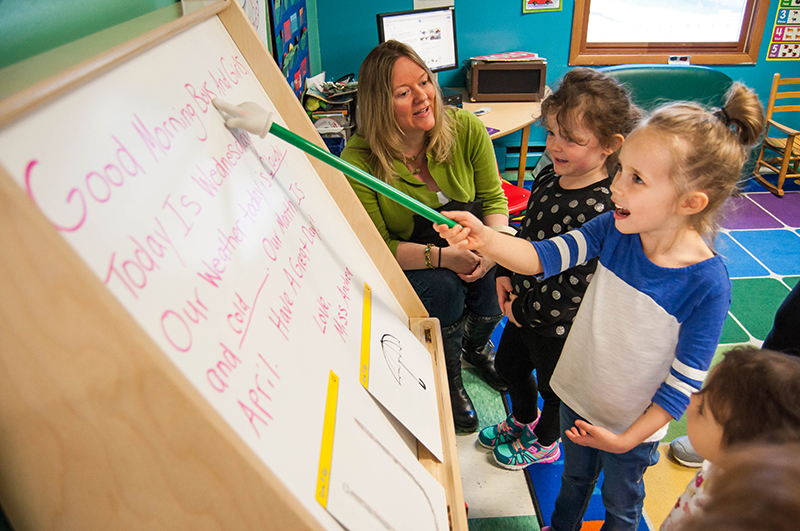
Considering Becoming a Teacher? Now is a Great Time to Start.

Child pointing at board while teacher looks on

If you’ve ever considered majoring in childhood or adolescent education, now is an excellent time to enter the field. There is a great need right now for teachers, as many public schools, both locally and nationwide, are experiencing a shortage of qualified teachers. This is because many longtime teachers are of retirement age and fewer college students are pursuing teaching degrees. The New York Board of Regents is even planning to lower the passing score on the edTPA, a test potential New York teachers must pass to get a teaching certificate. While there are increasingly fewer teachers, this shortage is causing some districts to increase classroom sizes, which lessens the individual attention some students may need to grasp classroom material.

Math, special education, and science teachers are commonly reported as being needed most, but humanities, including English and foreign languages, are also understaffed. New York is among those particularly in need of math, science, and foreign language teachers. On a brighter note, New York teachers are some of the best paid in the nation, and potential teachers planning to stay in-state can make a good living as well as have fulfilling careers.

Teaching careers can be rewarding. Teachers have the opportunity to make a difference in children’s lives by introducing them to new ideas and information that helps them throughout their lives. Teaching is often considered a great way to give back to the local community, due to helping students in the moment and ultimately being an investment in the students’ and area’s future. While traditional students are typically thought of for these types of degrees, teaching can also be a great option for adult students, particularly parents who know how to work with children already and can enjoy having summers free to be with their own children.

If teaching seems like a good fit for you, you can explore your options affordably here at SUNY Ulster. We offer four education degree pathways: Math and Science B-6 and 7-12 and Humanities & Social Science B-6 and 7-12. Each of these degree programs are specialized for what students would like to teach one day, such as Earth Science, English, Math, and History, as well as an option to seamlessly transfer into SUNY New Paltz.

Tips to Fighting Procrastination This Semester.  

Woman's hands typing on a laptop

Procrastination is the mindset of “Have fun now, worry about it later” that plagues countless individuals. As the semester moves forward it may feel as if countless due dates, and exam dates continue to fill up your calendar. Here at SUNY Ulster we want our students to have all the necessary tools to fight procrastination and have their most successful semester yet! Here are some tips to help you to get the job done!

Don’t be afraid to ask for help.

http://gph.is/1cAzJ3x

At some point of working on a project it may feel as if all the information you have compiled is no longer making sense, BUT HELP IS AVAILABLE.  In addition to asking your professors for addition support there are resources all across campus that are designed to help you succeed in all your classes!

For additional help you can visits these locations:

The Learning Center (VAN 247)

The Peer Tutor Program (VAN 247)

The Gary and Janaki Patrik Math Center (ALG 122)

The Writing Center (DEW 110)


Create a Personalized Plan.

http://gph.is/2glNKt6

Creating a personalized road map to the completion of each assignment is one way to put yourself on task to complete your assignment by section and avoid procrastination.For example I divide my projects into levels of Priority. From there I work on the most crucial elements of my project first moving from phase to phase following the personalized plan I have created to completion!


Limited Distractions.

http://gph.is/2erodvg

In today’s world we are surrounded by distractions all day long. Whether it be apps on our phones, the latest Netflix binge, and basically anything other than sitting down and working on the project at hand. If you are looking for a place to tune out your distractions and get work done you may want to check out the library on campus. The Dewitt Library has incredible resources that you mat reference while you work as well as its various levels of peace and quiet to maximize your focus!

Library Hours:

Monday-Thursday: 8am-7 pm

Friday: 8am-4 pm

Saturday: 9 am-3 pm

Sunday: Closed

Remember to Reward Yourself.

http://gph.is/1P1itTu

I have saved the best tip for last! One of the things that I do when I have a large assignment due is during my initial creation of my “personalized progress plan” I always take a moment to set up what or how I plan to reward myself once I have completed the final task! Whether it be to see a movie, buy a new piece of clothing, or treating yourself to your favorite meal don’t forget to reward your hard work!

50th Anniversary of Classes at the Stone Ridge Campus

View of the Stone Ridge Campus in 1982

September 2017 marks the 50th year we’ve held classes at our lovely Stone Ridge campus! While the buildings and classes have changed over the years, our students’ drive for success and our own commitment to Start Here, Go Far hasn’t.

A Bit of History

The Stone Ridge campus was selected from 28 sites in Ulster County. Located on 165 acres of former farmlands and fields donated by the Leggett and Davenport families, the area that was agreed upon still has the apple trees by the main entrance. The campus was officially dedicated on October 21, 1967, and the first four campus buildings included the Macdonald DeWitt Library, the Business Studies Building, the Science Building, and an all-purpose building. College offices were placed in the library. In addition to classrooms, the all-purpose building included a snack bar, book store, and student lounge.  In 1972, Phase II of a campus development plan added the Senate Gym, Hardenburgh, Vanderlyn, and Algonquin buildings to campus. In 1987, SUNY Ulster’s Children’s Center opened, providing childcare for children of students, faculty, staff, and the community.

Interested in more SUNY Ulster history? Learn more and add your own story to our interactive timeline!

Photo Gallery

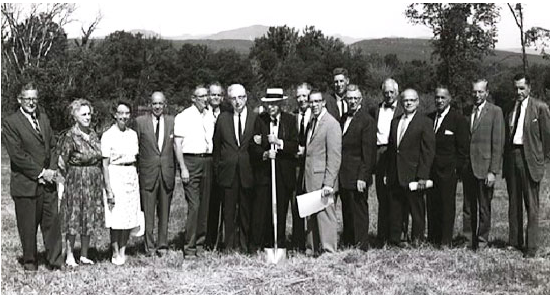
SUNY Ulster Stone Ridge Campus Groundbreaking in 1965
Groundbreaking in 1965
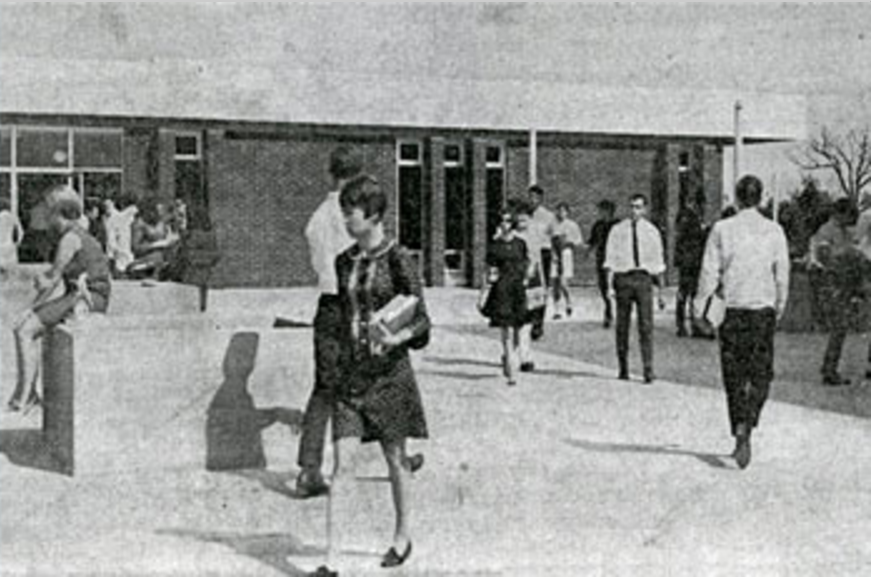
Students on the Stone Ridge Campus on Opening Day, 1967
SUNY Ulster Vice-President Ann Marrott in Early 1980s
Vice-President Ann Marrott during her time as a SUNY Ulster student
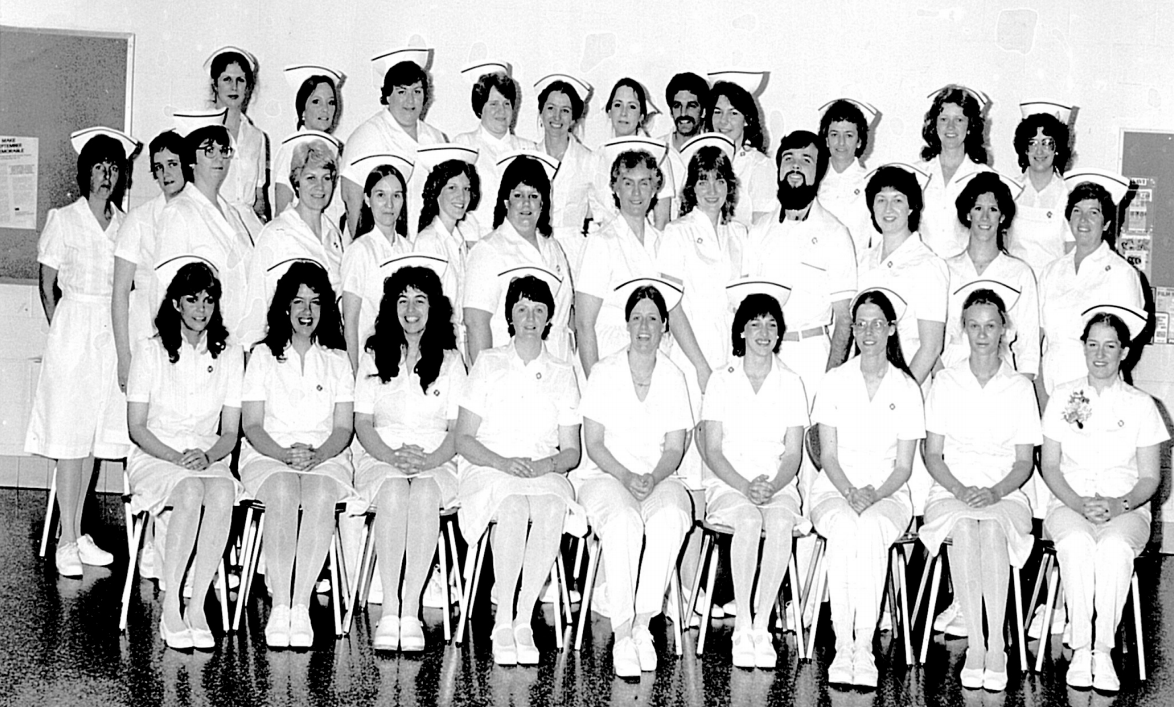
SUNY Ulster Nursing Students in 1982
Nursing Students in 1982
SUNY Ulster Soccer Team in 1984

Ulster Football '89 Sign with Students

The SUNY Ulster Cafeteria in 1993
The Cafeteria in 1993


10 Tips For First Semester Success

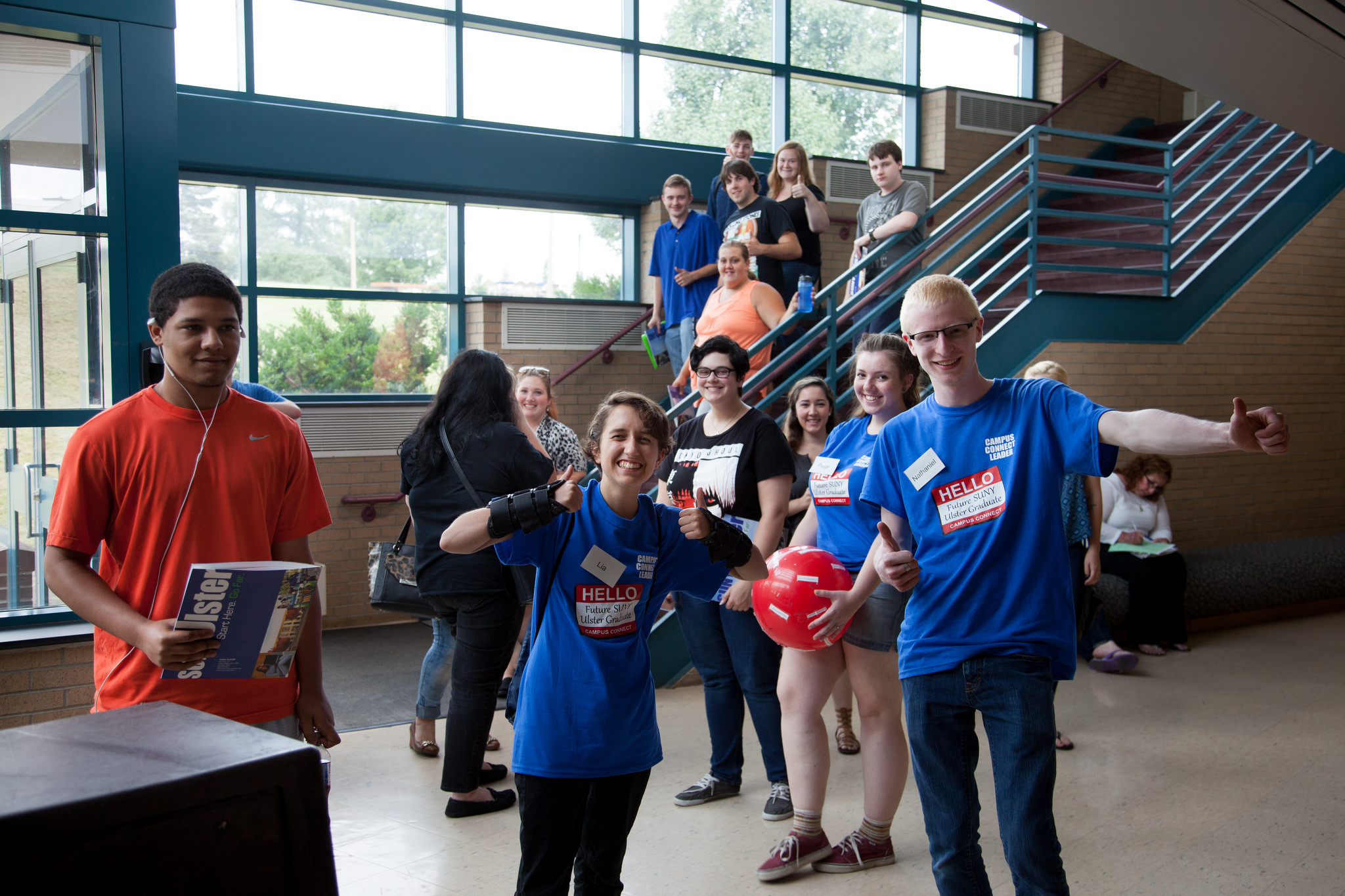
Campus Connect leaders giving a thumbs up with new students

Welcome, SUNY Ulster incoming freshmen! Many of you are probably both excited and nervous about your first semester at college. With a little effort, your first semester (and all of the following) can be successful. Here’s a few tips to help you on your way!

#1: Check Your SUNY Ulster Email

Once you’re enrolled, all important emails from Ulster will come to your @my.sunyulster.edu address. It’s how your professors get in touch with you, as well as one major way to get campus alerts and financial aid notifications. Other students and staff will often use it to contact you as well. Faculty are legally bound to contact you through Ulster email, so do your part and help them (and yourself, since nobody wants to show up for a cancelled class) by checking it at least once a day.

#2: Attend Campus Connect

This one is mandatory, actually, but there’s a reason it is! Campus Connect is the SUNY Ulster orientation, and it offers the opportunity you need to find out all about being an Ulster student, from where different offices are to what career and internship options are available. It’s also a great way to meet the SUNY Ulster community. When you attend, you should also plan to look around campus and find the rooms your classes will be in this semester.

#3: Understand Your Finances

Federal financial aid is a big part of everyone’s SUNY Ulster life, but what about all the other resources? Think about financing beyond just FAFSA, because there’s also local scholarships, the College Scholars Program, and, now, the Excelsior Scholarship. Don’t miss out on any opportunities! Plan ahead; even though federal aid may cover Ulster at the moment, if you transfer to another school, scholarships can be extremely helpful.

#4: Explore Ulster and Portal Resources

Make sure you know where everything is! Campus Connect is an excellent start, but take some time during your first few weeks of class to explore the campus and browse the portal. You can find a lot on the portal and Blackboard if you figure out how to navigate them and get a general idea of where everything is, which is especially important for taking online classes. Touring the campus is important for knowing where you can get food, hang out, use computers, and get information from different offices.

#5: Create A Schedule and Get Organized

If you have a schedule that includes both classes and work, make sure you budget your time! It’s recommended that you set aside 2-3 hours each week for every credit hour to give yourself time for assignments and studying. That’s 30-45 hours a week beyond classes, jobs, and family time if you take the average workload of 15 credits. For the first semester, it’s especially important to have this time available, since you’re still finding your own speed with college work. If you plan to set this much time aside and use it wisely, you should find yourself on track throughout the semester.

#6: Attend Class and Pay Attention

Establishing good habits when you begin college will benefit you for the remainder of your college life. Possibly the most important habit you can adopt is to attend class and pay attention. Students who drop out tend to not have attended their class, or, if they do attend, spend the entire class period using their phone. Remember that doing these things frequently not only gets you dropped from the class, but also means you’re missing important material that will be in essays and exams. Paying attention usually means better grades, and getting better grades means many more opportunities are available to you. Focus on your class for the hour that you’re in it.

#7: Get Involved

Make friends early on! There’s so much to be said for having a few people that you love to spend time with at Ulster. On a winter morning when it’s 5 degrees outside and the thought of your math class isn’t quite incentive enough to get out of bed, knowing you get to see your friends can be the push you need. Joining a SUNY Ulster club and participating in campus activities is a great way to meet new friends. You can also just start a conversation with someone in class or a group that looks interesting in the cafeteria. There’s plenty of options if you make an effort!

#8: Try to Plan for the Future

Obviously, your first order of business is to get acquainted with SUNY Ulster life, but it’s never to early to explore career and internship opportunities. At the very least, get to know your advisor, and be ready to plan next semester’s classes.

#9: Connect with Your Professors

Your professors aren’t just there to teach classes and go home. Most will have office hours you can go to when you need help for a class. If it’s a professor in your major, connecting is twice as important, since they can advise on job opportunities, colleges, and anything else related to your career. One or two will end up giving you your letter of recommendation if you transfer, so get to know them early on.

#10: Have Fun!

This goes without saying, but it’s important to enjoy your time at Ulster. College isn’t endless studying and suffering; you’ll meet interesting people and learn really cool things in classes and on campus. Relax once in a while and just enjoy being a student!

Campus Connect 2017: Welcome to SUNY Ulster!

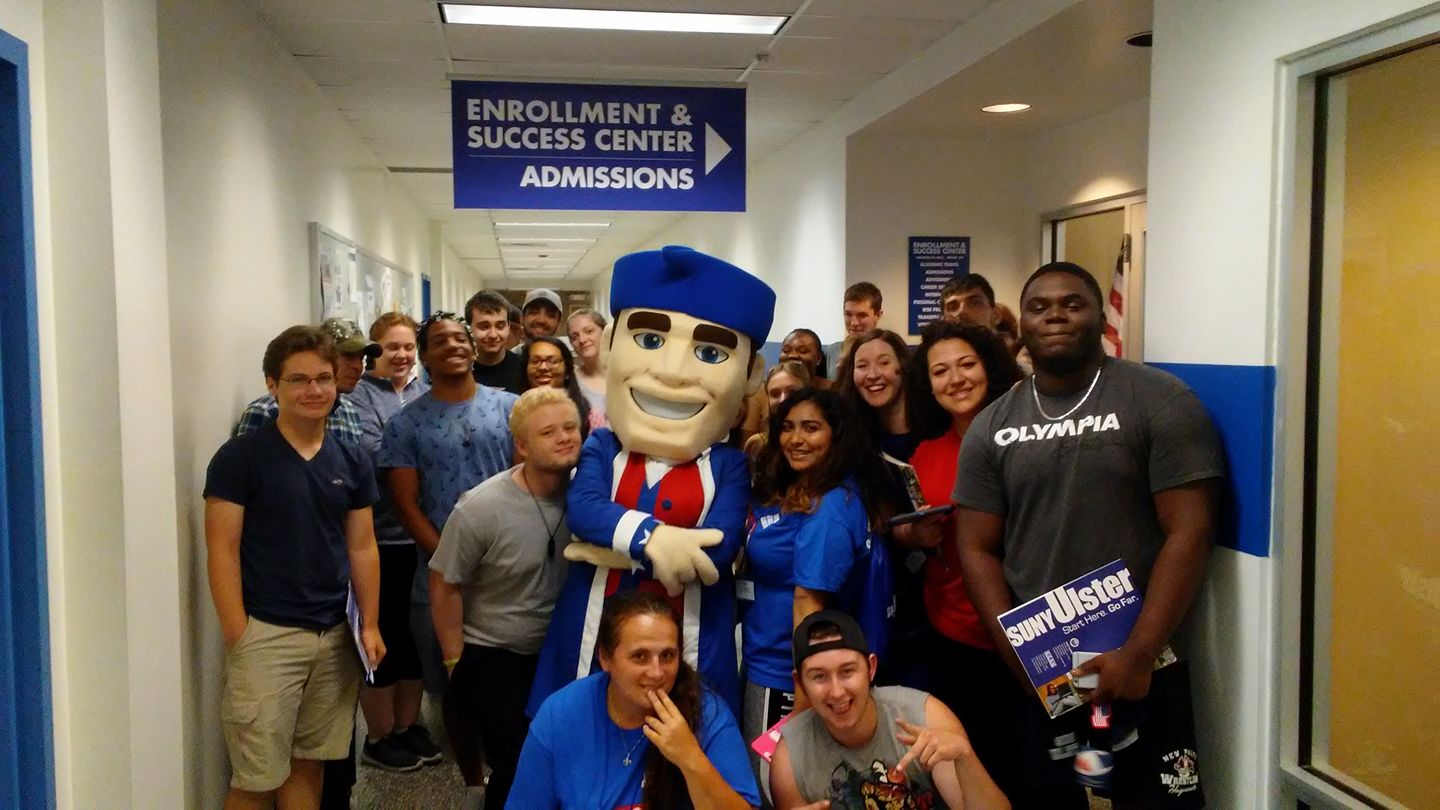
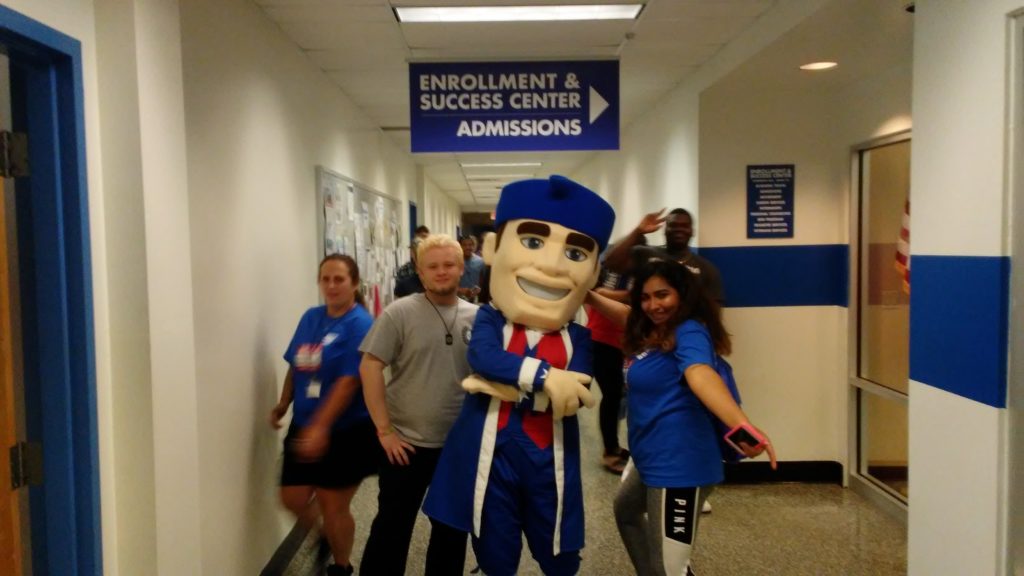
New students posed with mascot Senator Sam

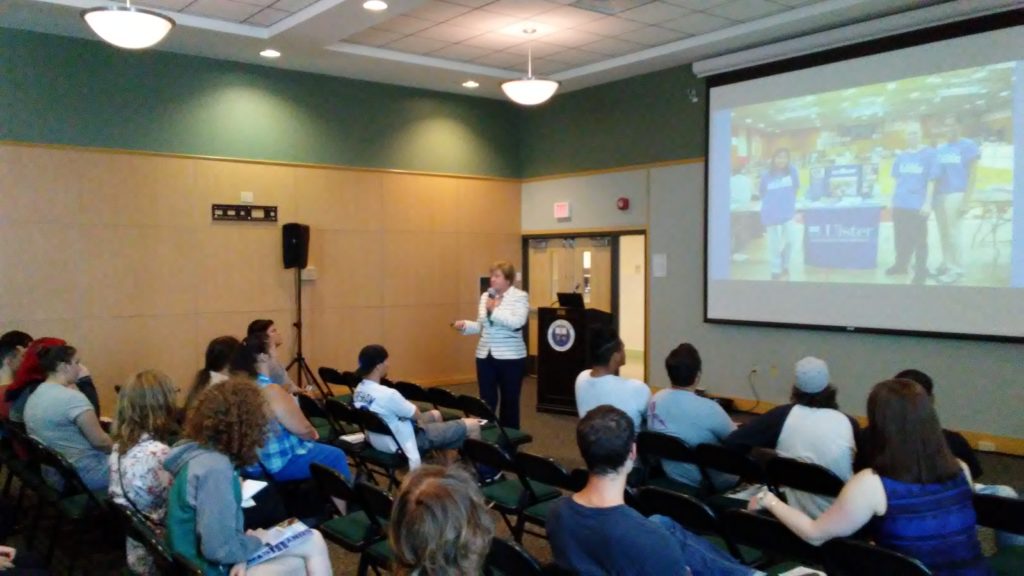
The first of our three 2017 Campus Connect orientation sessions was July 11th, and attendees had a great time learning about SUNY Ulster life and meeting their fellow students and future professors. Here’s a few pictures of the fun, thanks to one of our Campus Connect leaders!

If you’re attending SUNY Ulster this fall, remember to sign up for one of the two following sessions on either Thursday, August 3rd or Friday, August 18th. Students attending this mandatory event learn about navigating SUNY Ulster, discover campus resources, find out about fun campus activities available to them, and so much more! Learn more about Campus Connect and register for a session here.

Students playing checkers with SUNY Ulster’s mascot, Senator Sam
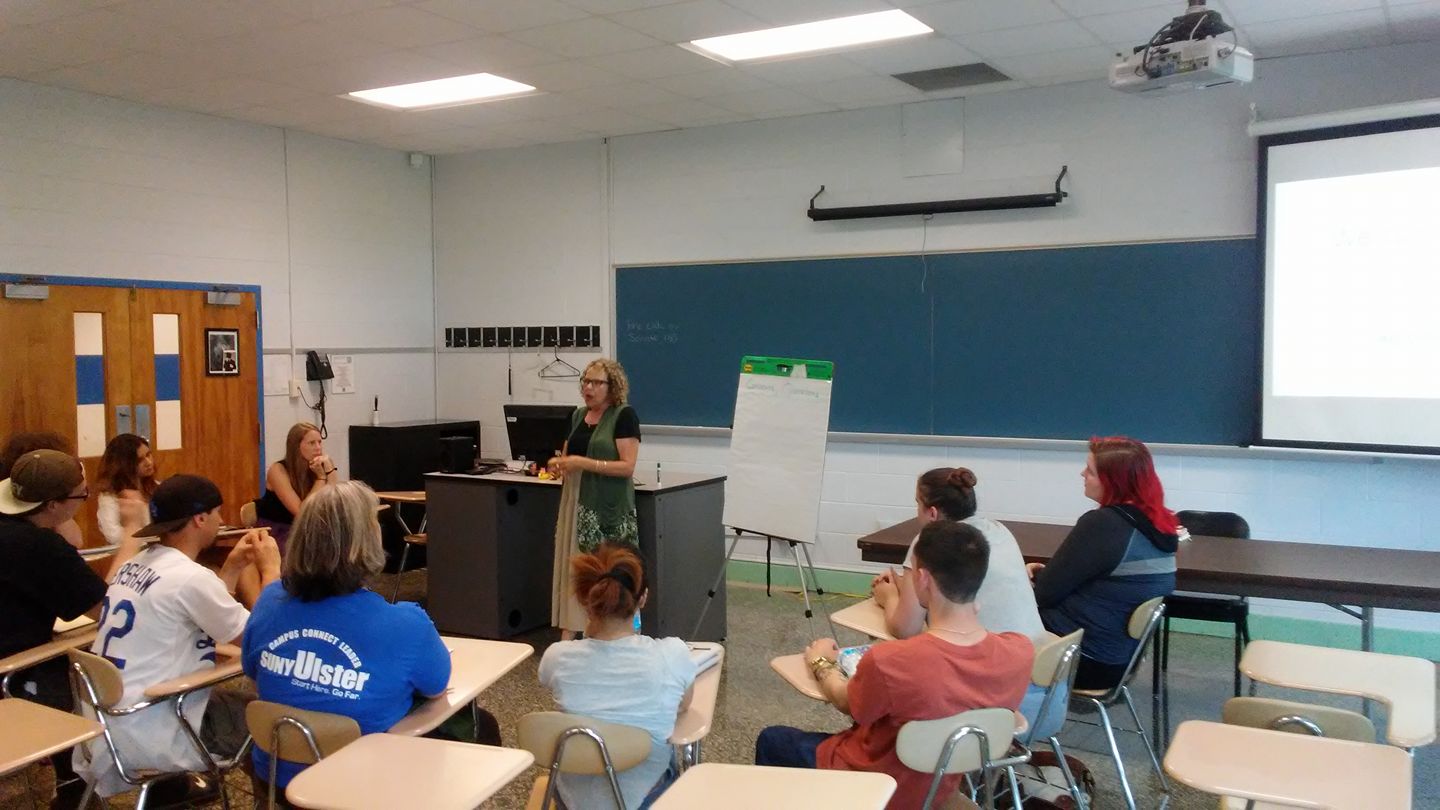
New students learning more about life at SUNY Ulster with Professor Mindy Kole
Vice-President Ann Marrott speaks to new students
Campus Connect leaders with Senator Sam
Public Safety Presentation
Free cotton candy for attendees!
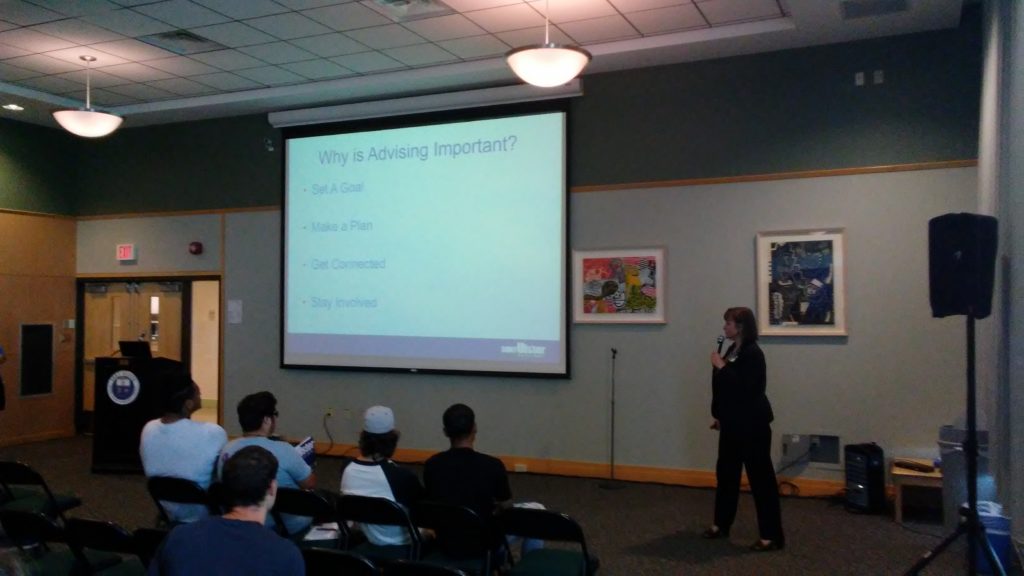
Assistant Dean Wendy McCorry’s presentation on advisement
President Roberts’ Opening Presentation


The Pfeiffer Technology & Innovation Lab at SUNY Ulster

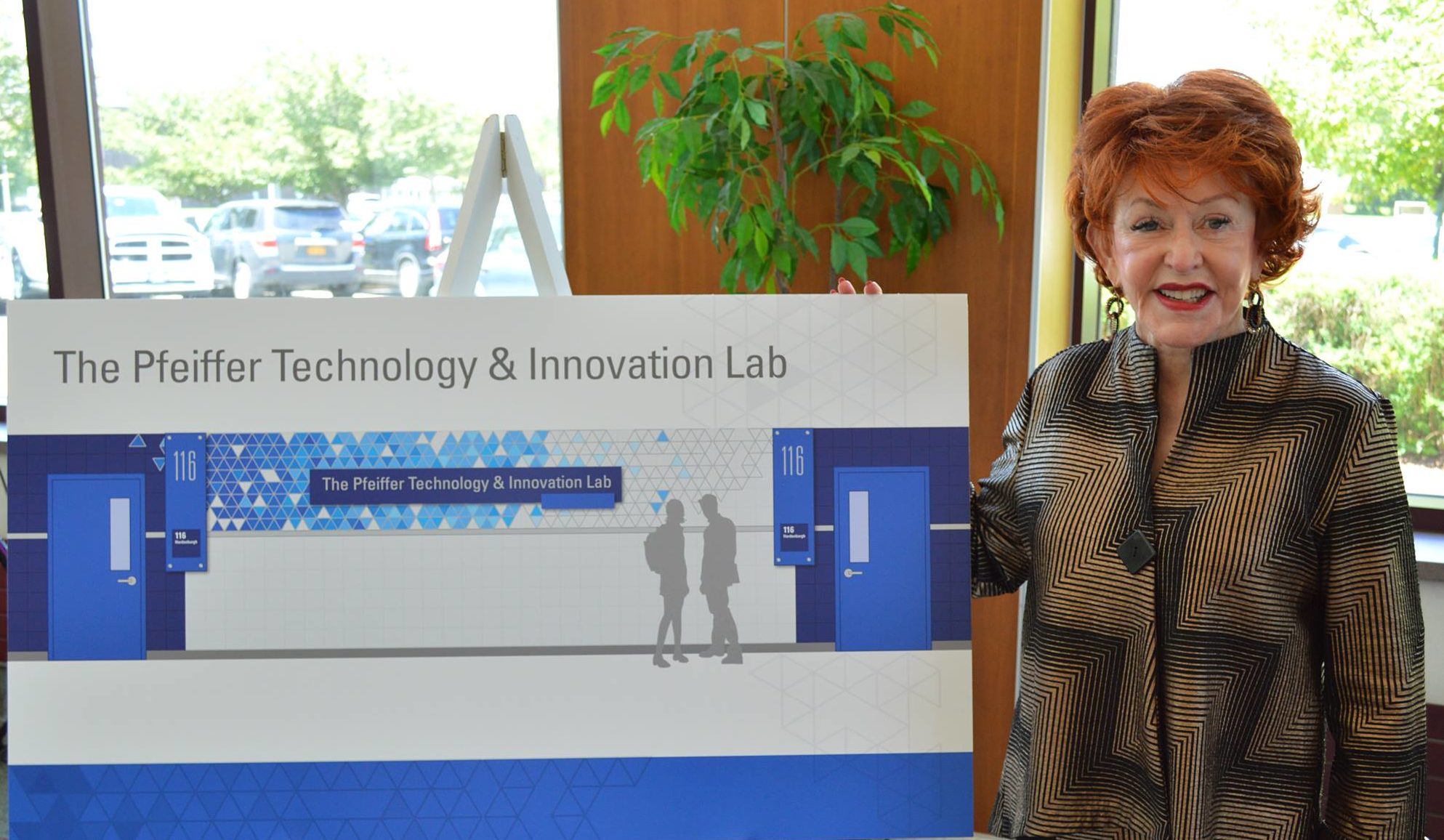
Pfeiffer lab sign with Darlene Pfeiffer

A new technology lab is being constructed this summer at SUNY Ulster! Located off of the student lot section of Hardenbergh, renovated labs and classrooms will be receiving state-of-the-art equipment that can be utilized by both students and industry members, particularly those in STEM fields such as engineering and advanced manufacturing, AutoCAD, 3D printing and web development. Instruction will be available to SUNY Ulster students. This new lab will be named the Pfeiffer Technology & Innovation Lab, after Ulster County resident and Foundation Board Vice Chair Darlene L. Pfeiffer.

Three labs are getting a thorough renovation: the drafting lab, electronics lab, and mechanical lab. The drafting lab will receive dual monitor computers, and the room will be split into two separate labs as well as a 3D printing lab. Industrial technology, drafting, computer, graphic design, art, and fashion students will be able to take advantage of the improved drafting labs, and the 3D printing lab may be open for use, eventually, to all students. The electronics lab will receive new electronic benches, and the mechanical lab (which will be renamed the Mechatronics and Mechanical Engineering Lab) will receive new work benches as well as a private outside entrance for industry partners.

In addition to the labs, two classrooms are getting renovated. The computer classroom will receive 18 new computers with Programmable Logic Controller (PLC) software. Training units for PLC are being ordered to create a PLC lab, as well. The classroom without computers (located off the current mechanical lab) will be renovated to allow students to learn in the classroom section and then do hands-on experiments in the lab. Both of these classrooms will be available for use by any department.

Renovations are scheduled for completion by August 28th, timely for the start of fall classes. Barbara Reer, Director of Technology Education Programs, states, “We want students and faculty alike to embrace these labs, which will aid in current programs, and hopefully help foster new programs.”

Floor plan for the Pfeiffer Technology & Innovation Lab