Considering Becoming a Teacher? Now is a Great Time to Start.

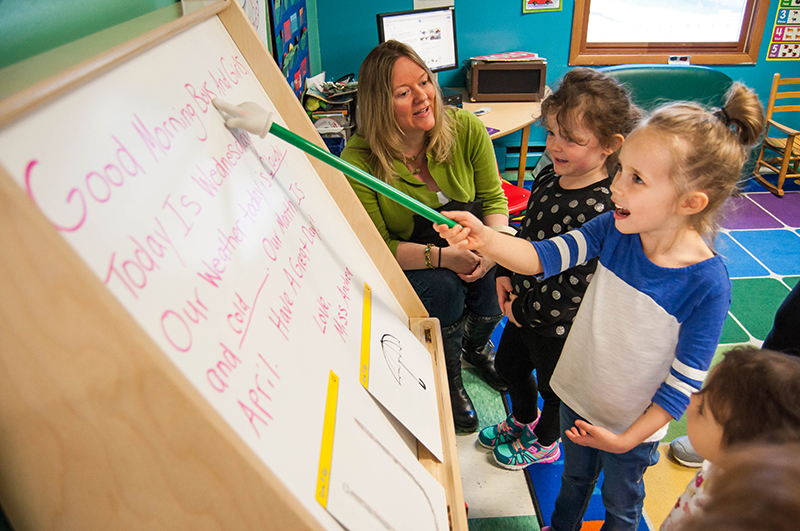
Child pointing at board while teacher looks on

If you’ve ever considered majoring in childhood or adolescent education, now is an excellent time to enter the field. There is a great need right now for teachers, as many public schools, both locally and nationwide, are experiencing a shortage of qualified teachers. This is because many longtime teachers are of retirement age and fewer college students are pursuing teaching degrees. The New York Board of Regents is even planning to lower the passing score on the edTPA, a test potential New York teachers must pass to get a teaching certificate. While there are increasingly fewer teachers, this shortage is causing some districts to increase classroom sizes, which lessens the individual attention some students may need to grasp classroom material.

Math, special education, and science teachers are commonly reported as being needed most, but humanities, including English and foreign languages, are also understaffed. New York is among those particularly in need of math, science, and foreign language teachers. On a brighter note, New York teachers are some of the best paid in the nation, and potential teachers planning to stay in-state can make a good living as well as have fulfilling careers.

Teaching careers can be rewarding. Teachers have the opportunity to make a difference in children’s lives by introducing them to new ideas and information that helps them throughout their lives. Teaching is often considered a great way to give back to the local community, due to helping students in the moment and ultimately being an investment in the students’ and area’s future. While traditional students are typically thought of for these types of degrees, teaching can also be a great option for adult students, particularly parents who know how to work with children already and can enjoy having summers free to be with their own children.

If teaching seems like a good fit for you, you can explore your options affordably here at SUNY Ulster. We offer four education degree pathways: Math and Science B-6 and 7-12 and Humanities & Social Science B-6 and 7-12. Each of these degree programs are specialized for what students would like to teach one day, such as Earth Science, English, Math, and History, as well as an option to seamlessly transfer into SUNY New Paltz.

50th Anniversary of Classes at the Stone Ridge Campus

View of the Stone Ridge Campus in 1982

September 2017 marks the 50th year we’ve held classes at our lovely Stone Ridge campus! While the buildings and classes have changed over the years, our students’ drive for success and our own commitment to Start Here, Go Far hasn’t.

A Bit of History

The Stone Ridge campus was selected from 28 sites in Ulster County. Located on 165 acres of former farmlands and fields donated by the Leggett and Davenport families, the area that was agreed upon still has the apple trees by the main entrance. The campus was officially dedicated on October 21, 1967, and the first four campus buildings included the Macdonald DeWitt Library, the Business Studies Building, the Science Building, and an all-purpose building. College offices were placed in the library. In addition to classrooms, the all-purpose building included a snack bar, book store, and student lounge.  In 1972, Phase II of a campus development plan added the Senate Gym, Hardenburgh, Vanderlyn, and Algonquin buildings to campus. In 1987, SUNY Ulster’s Children’s Center opened, providing childcare for children of students, faculty, staff, and the community.

Interested in more SUNY Ulster history? Learn more and add your own story to our interactive timeline!

Photo Gallery

SUNY Ulster Stone Ridge Campus Groundbreaking in 1965
Groundbreaking in 1965
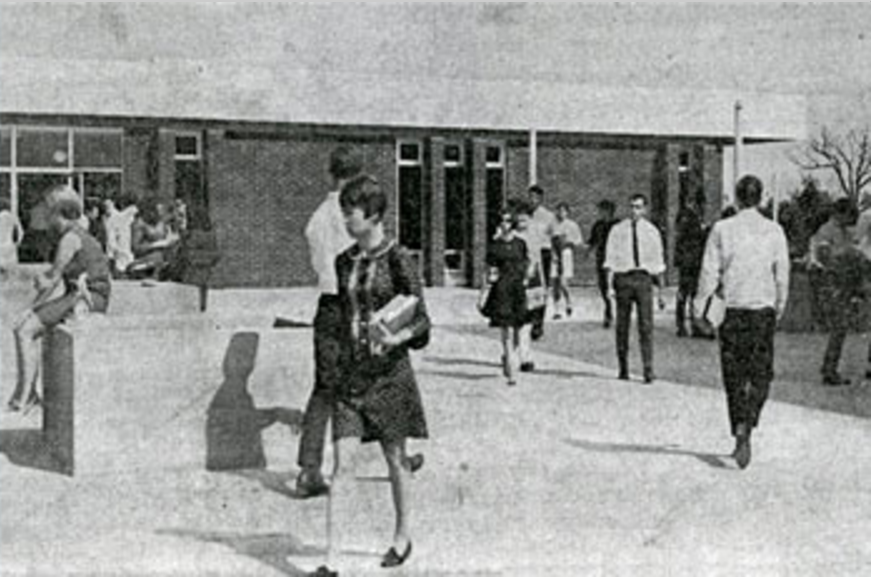
Students on the Stone Ridge Campus on Opening Day, 1967
SUNY Ulster Vice-President Ann Marrott in Early 1980s
Vice-President Ann Marrott during her time as a SUNY Ulster student
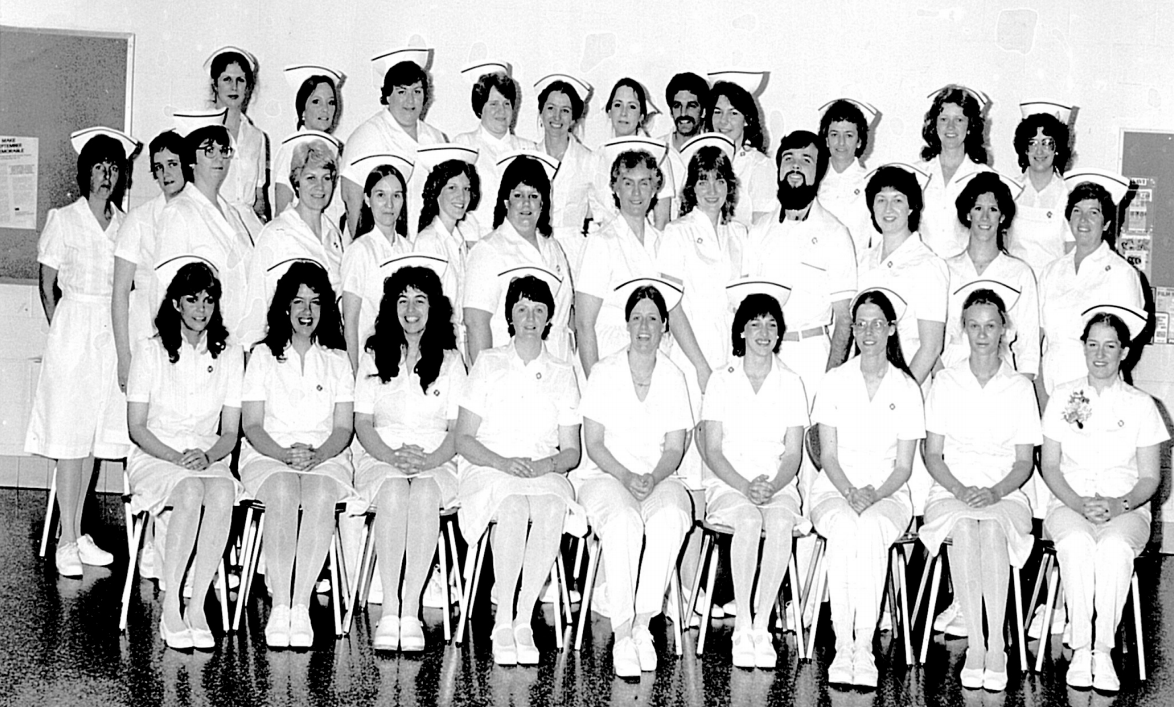
SUNY Ulster Nursing Students in 1982
Nursing Students in 1982
SUNY Ulster Soccer Team in 1984

Ulster Football '89 Sign with Students

The SUNY Ulster Cafeteria in 1993
The Cafeteria in 1993


10 Tips For First Semester Success

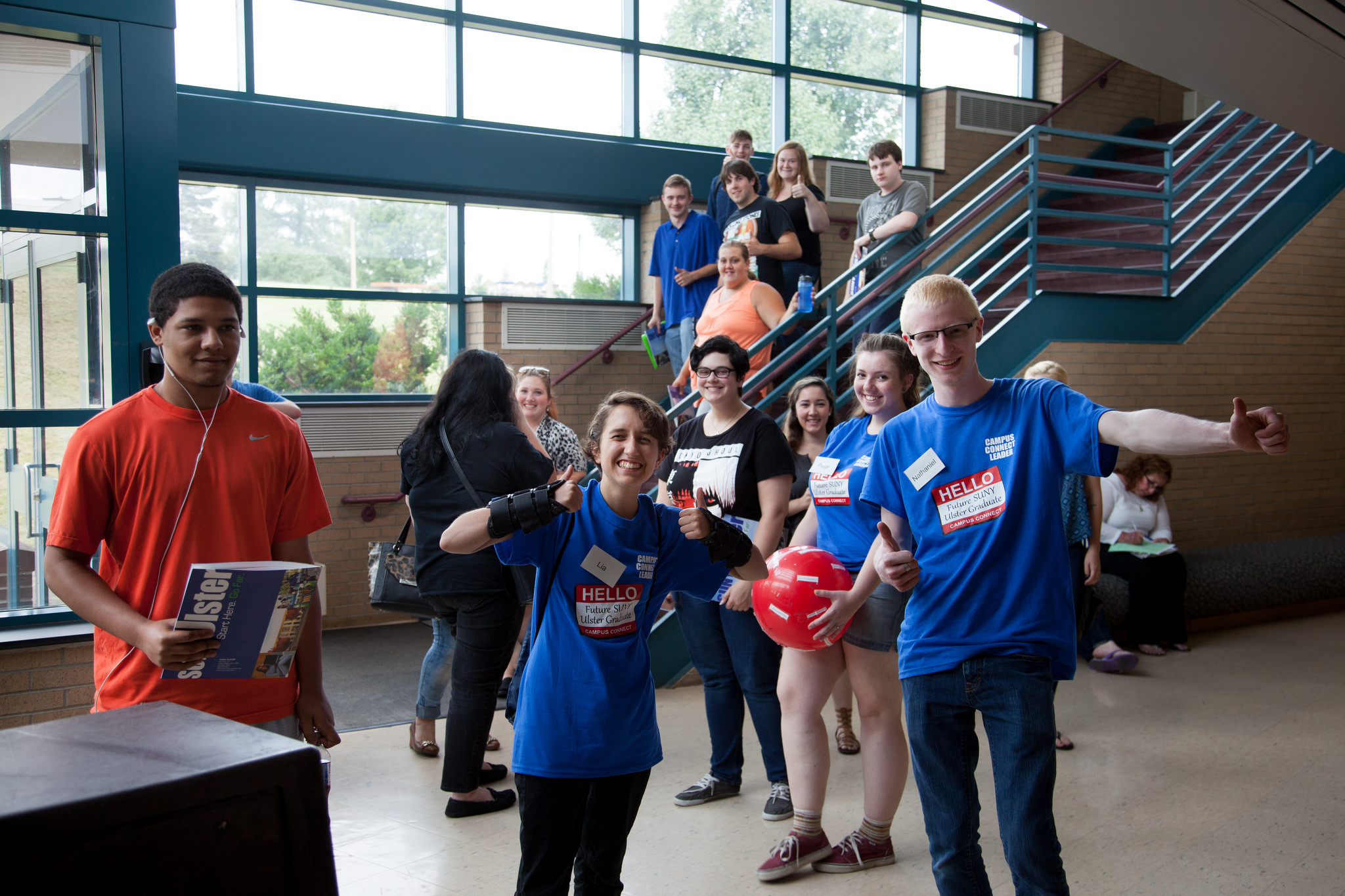
Campus Connect leaders giving a thumbs up with new students

Welcome, SUNY Ulster incoming freshmen! Many of you are probably both excited and nervous about your first semester at college. With a little effort, your first semester (and all of the following) can be successful. Here’s a few tips to help you on your way!

#1: Check Your SUNY Ulster Email

Once you’re enrolled, all important emails from Ulster will come to your @my.sunyulster.edu address. It’s how your professors get in touch with you, as well as one major way to get campus alerts and financial aid notifications. Other students and staff will often use it to contact you as well. Faculty are legally bound to contact you through Ulster email, so do your part and help them (and yourself, since nobody wants to show up for a cancelled class) by checking it at least once a day.

#2: Attend Campus Connect

This one is mandatory, actually, but there’s a reason it is! Campus Connect is the SUNY Ulster orientation, and it offers the opportunity you need to find out all about being an Ulster student, from where different offices are to what career and internship options are available. It’s also a great way to meet the SUNY Ulster community. When you attend, you should also plan to look around campus and find the rooms your classes will be in this semester.

#3: Understand Your Finances

Federal financial aid is a big part of everyone’s SUNY Ulster life, but what about all the other resources? Think about financing beyond just FAFSA, because there’s also local scholarships, the College Scholars Program, and, now, the Excelsior Scholarship. Don’t miss out on any opportunities! Plan ahead; even though federal aid may cover Ulster at the moment, if you transfer to another school, scholarships can be extremely helpful.

#4: Explore Ulster and Portal Resources

Make sure you know where everything is! Campus Connect is an excellent start, but take some time during your first few weeks of class to explore the campus and browse the portal. You can find a lot on the portal and Blackboard if you figure out how to navigate them and get a general idea of where everything is, which is especially important for taking online classes. Touring the campus is important for knowing where you can get food, hang out, use computers, and get information from different offices.

#5: Create A Schedule and Get Organized

If you have a schedule that includes both classes and work, make sure you budget your time! It’s recommended that you set aside 2-3 hours each week for every credit hour to give yourself time for assignments and studying. That’s 30-45 hours a week beyond classes, jobs, and family time if you take the average workload of 15 credits. For the first semester, it’s especially important to have this time available, since you’re still finding your own speed with college work. If you plan to set this much time aside and use it wisely, you should find yourself on track throughout the semester.

#6: Attend Class and Pay Attention

Establishing good habits when you begin college will benefit you for the remainder of your college life. Possibly the most important habit you can adopt is to attend class and pay attention. Students who drop out tend to not have attended their class, or, if they do attend, spend the entire class period using their phone. Remember that doing these things frequently not only gets you dropped from the class, but also means you’re missing important material that will be in essays and exams. Paying attention usually means better grades, and getting better grades means many more opportunities are available to you. Focus on your class for the hour that you’re in it.

#7: Get Involved

Make friends early on! There’s so much to be said for having a few people that you love to spend time with at Ulster. On a winter morning when it’s 5 degrees outside and the thought of your math class isn’t quite incentive enough to get out of bed, knowing you get to see your friends can be the push you need. Joining a SUNY Ulster club and participating in campus activities is a great way to meet new friends. You can also just start a conversation with someone in class or a group that looks interesting in the cafeteria. There’s plenty of options if you make an effort!

#8: Try to Plan for the Future

Obviously, your first order of business is to get acquainted with SUNY Ulster life, but it’s never to early to explore career and internship opportunities. At the very least, get to know your advisor, and be ready to plan next semester’s classes.

#9: Connect with Your Professors

Your professors aren’t just there to teach classes and go home. Most will have office hours you can go to when you need help for a class. If it’s a professor in your major, connecting is twice as important, since they can advise on job opportunities, colleges, and anything else related to your career. One or two will end up giving you your letter of recommendation if you transfer, so get to know them early on.

#10: Have Fun!

This goes without saying, but it’s important to enjoy your time at Ulster. College isn’t endless studying and suffering; you’ll meet interesting people and learn really cool things in classes and on campus. Relax once in a while and just enjoy being a student!

Campus Connect 2017: Welcome to SUNY Ulster!

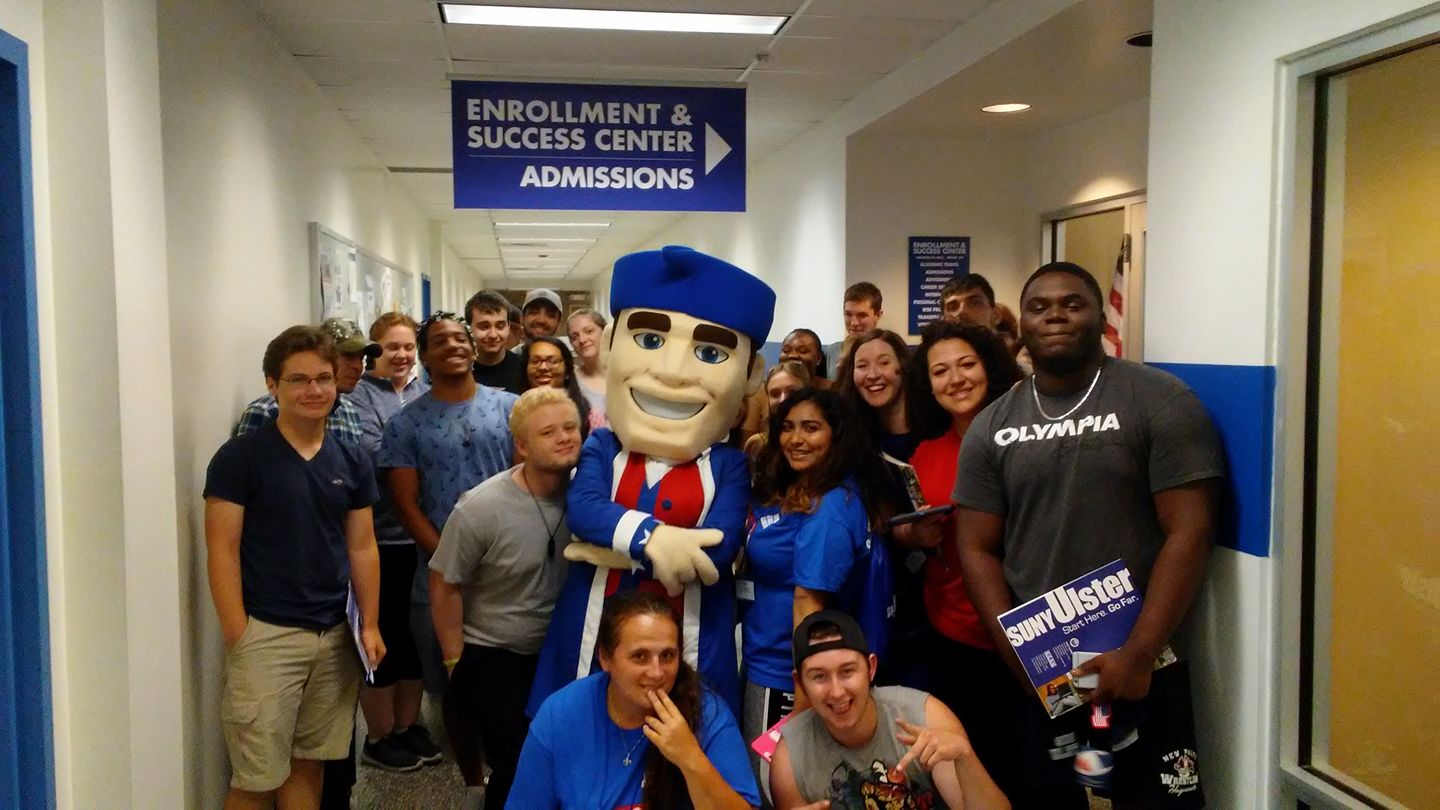
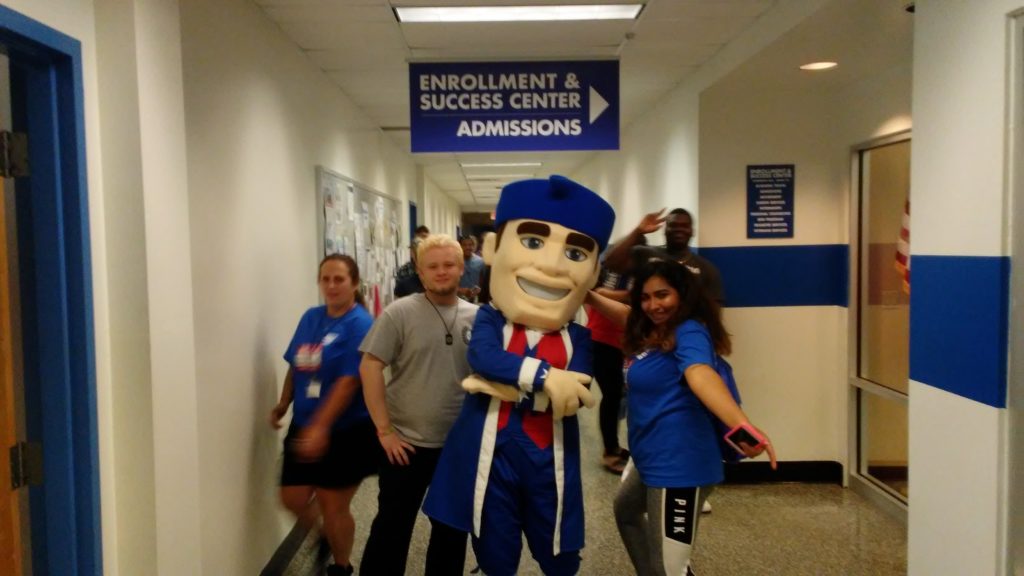
New students posed with mascot Senator Sam

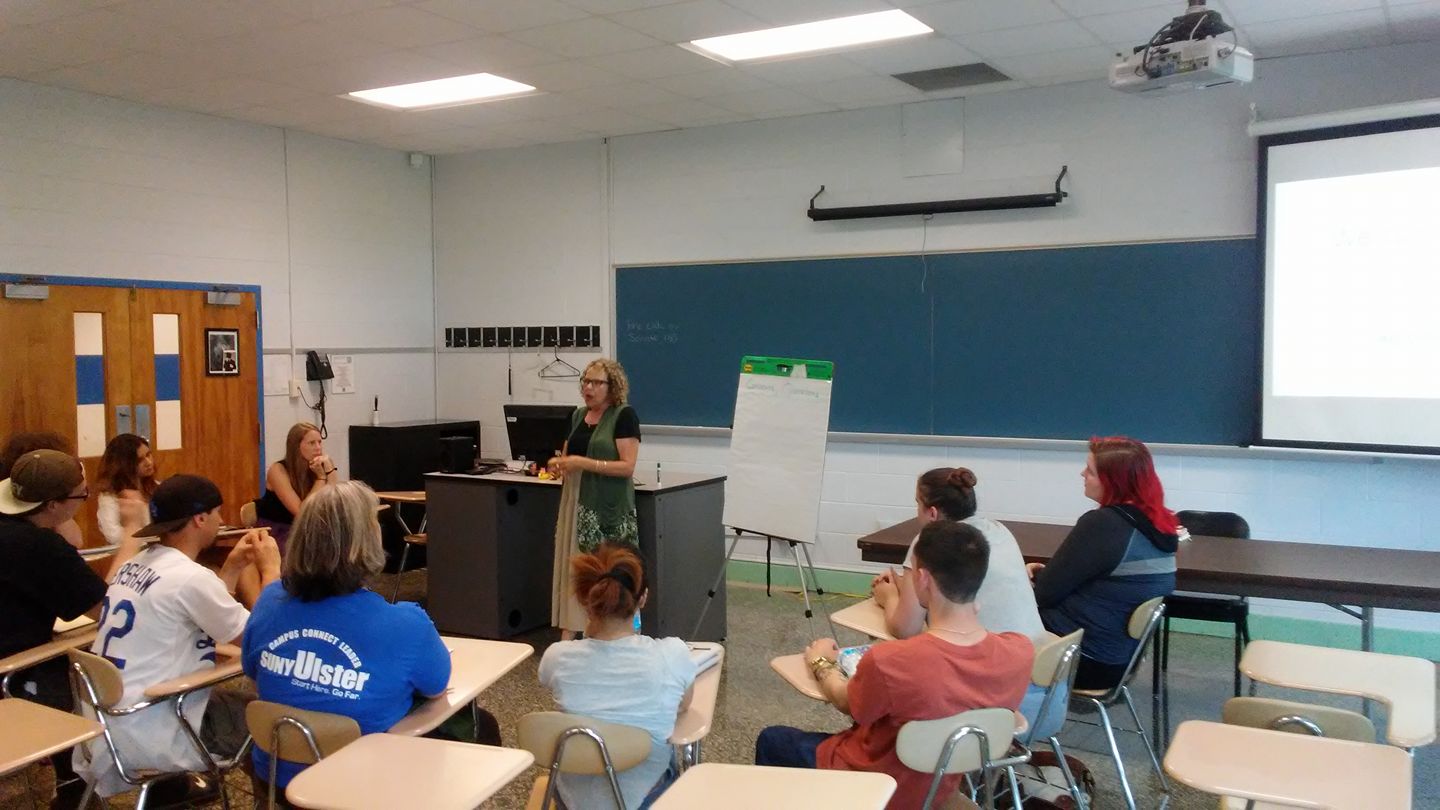
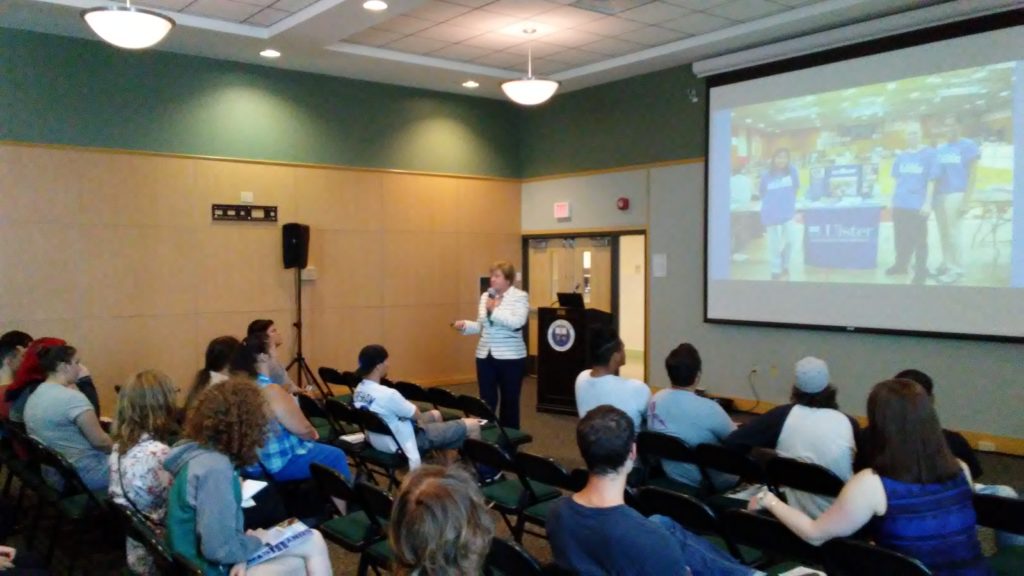
The first of our three 2017 Campus Connect orientation sessions was July 11th, and attendees had a great time learning about SUNY Ulster life and meeting their fellow students and future professors. Here’s a few pictures of the fun, thanks to one of our Campus Connect leaders!

If you’re attending SUNY Ulster this fall, remember to sign up for one of the two following sessions on either Thursday, August 3rd or Friday, August 18th. Students attending this mandatory event learn about navigating SUNY Ulster, discover campus resources, find out about fun campus activities available to them, and so much more! Learn more about Campus Connect and register for a session here.

Students playing checkers with SUNY Ulster’s mascot, Senator Sam
New students learning more about life at SUNY Ulster with Professor Mindy Kole
Vice-President Ann Marrott speaks to new students
Campus Connect leaders with Senator Sam
Public Safety Presentation
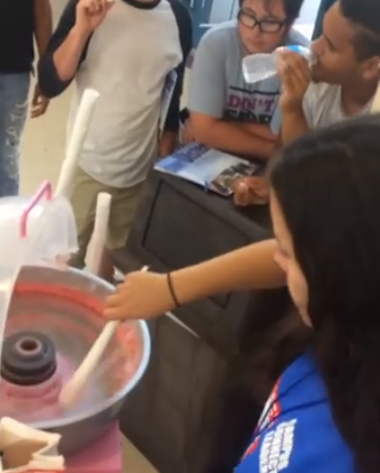
Free cotton candy for attendees!
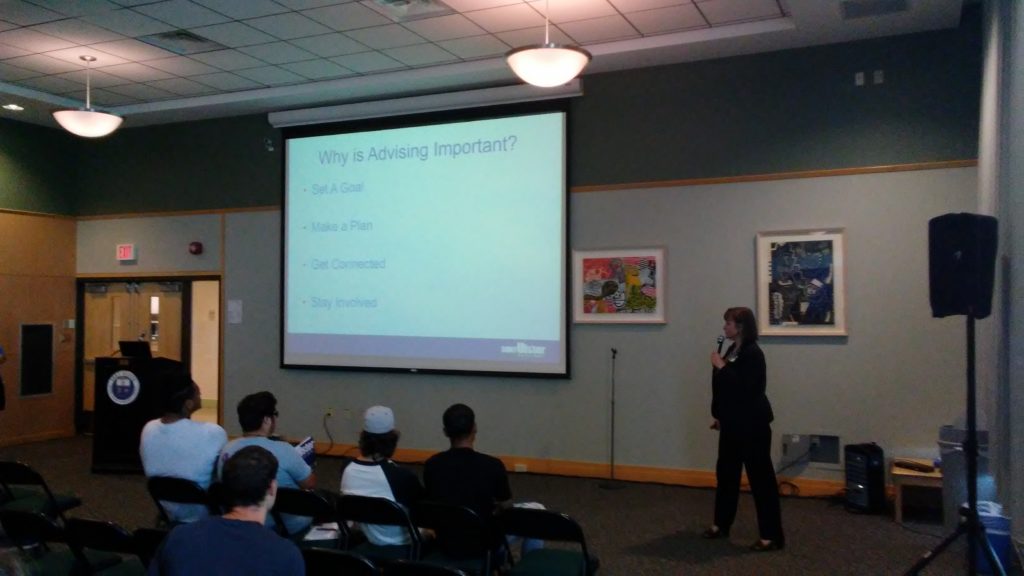
Assistant Dean Wendy McCorry’s presentation on advisement
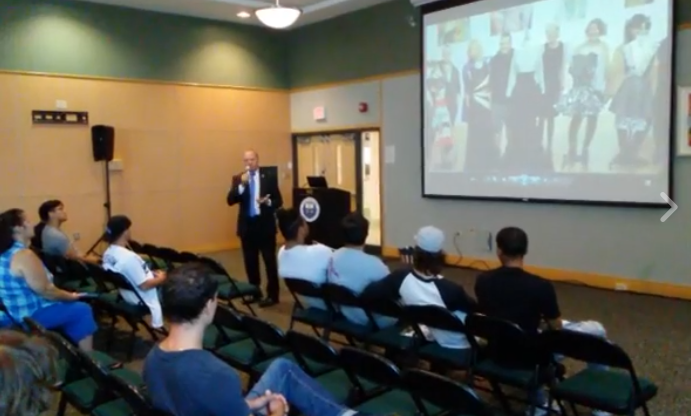
President Roberts’ Opening Presentation


The Pfeiffer Technology & Innovation Lab at SUNY Ulster

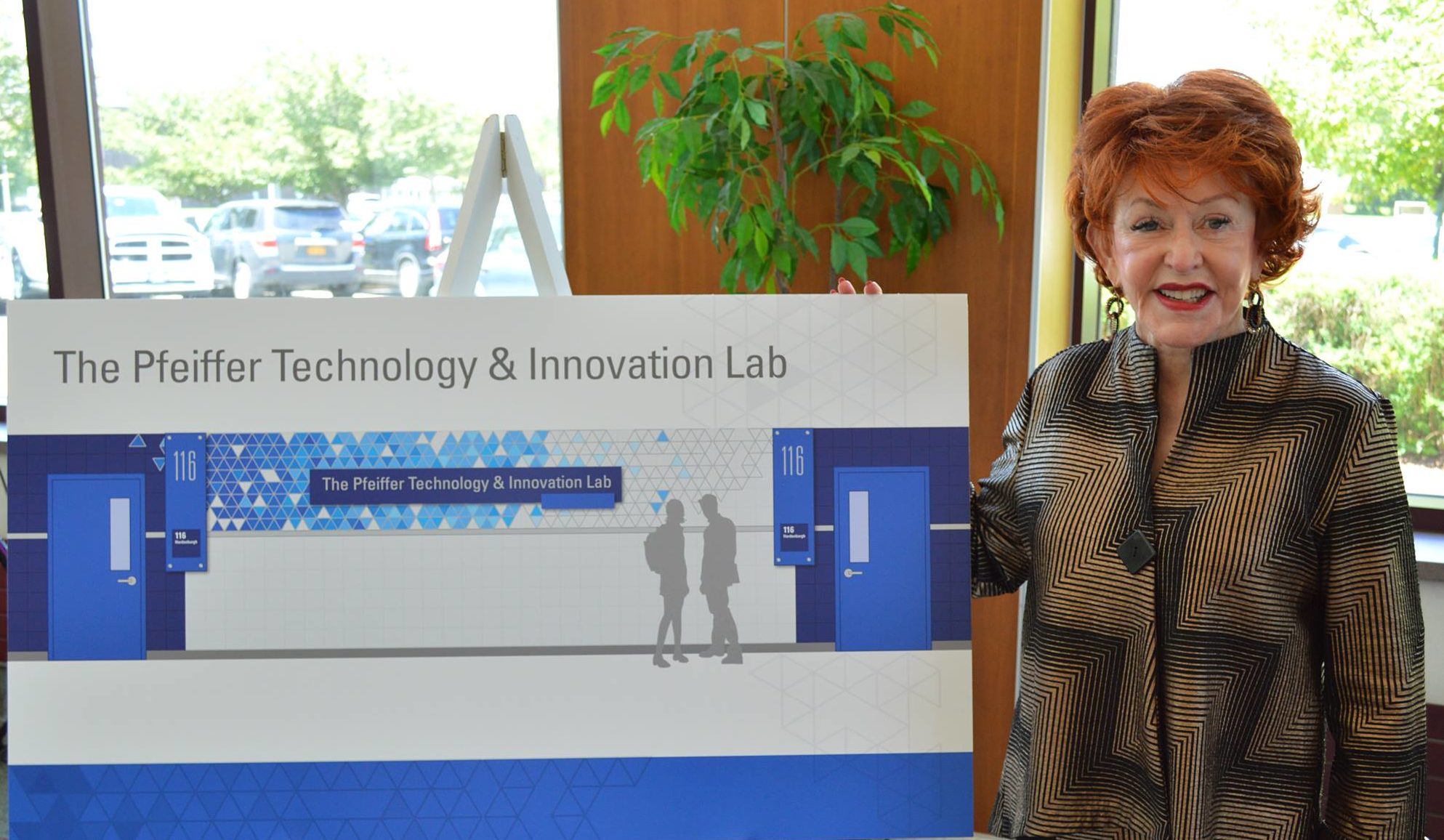
Pfeiffer lab sign with Darlene Pfeiffer

A new technology lab is being constructed this summer at SUNY Ulster! Located off of the student lot section of Hardenbergh, renovated labs and classrooms will be receiving state-of-the-art equipment that can be utilized by both students and industry members, particularly those in STEM fields such as engineering and advanced manufacturing, AutoCAD, 3D printing and web development. Instruction will be available to SUNY Ulster students. This new lab will be named the Pfeiffer Technology & Innovation Lab, after Ulster County resident and Foundation Board Vice Chair Darlene L. Pfeiffer.

Three labs are getting a thorough renovation: the drafting lab, electronics lab, and mechanical lab. The drafting lab will receive dual monitor computers, and the room will be split into two separate labs as well as a 3D printing lab. Industrial technology, drafting, computer, graphic design, art, and fashion students will be able to take advantage of the improved drafting labs, and the 3D printing lab may be open for use, eventually, to all students. The electronics lab will receive new electronic benches, and the mechanical lab (which will be renamed the Mechatronics and Mechanical Engineering Lab) will receive new work benches as well as a private outside entrance for industry partners.

In addition to the labs, two classrooms are getting renovated. The computer classroom will receive 18 new computers with Programmable Logic Controller (PLC) software. Training units for PLC are being ordered to create a PLC lab, as well. The classroom without computers (located off the current mechanical lab) will be renovated to allow students to learn in the classroom section and then do hands-on experiments in the lab. Both of these classrooms will be available for use by any department.

Renovations are scheduled for completion by August 28th, timely for the start of fall classes. Barbara Reer, Director of Technology Education Programs, states, “We want students and faculty alike to embrace these labs, which will aid in current programs, and hopefully help foster new programs.”

Floor plan for the Pfeiffer Technology & Innovation Lab

First Year Experience at Ulster

All About FYE 101 the new student's passport to ulster success

This fall, SUNY Ulster is offering its first round of First Year Experience (FYE 101) classes. The course is designed to give new students the tools and resources they need to help transition from high school or the workforce to college life. It also introduces students to a number of career-building and community opportunities Ulster offers. The course, which will be offered on campus and online by several different Ulster professors, will try to give new students a well-rounded understanding of college as they prepare to Go Far. Since everyone first entering Ulster with less than 30 credits will be taking this class, here’s some more information about what new students will be learning about.

Ulster Navigation

The first few months at a new campus can seem completely overwhelming, especially if you’re new to taking college classes. FYE will try to ease this problem for new students. Aspects of FYE will cover not only the support and informational services available on campus, but also how to use different items of Ulster tech that can be difficult to adjust to, such as Blackboard and the portal. Common college terms and requirements will be covered, such as the pros and cons of online, blended, and on campus classes, transfer and career planning options, and elective choices. The course also covers the social aspects of college, like clubs, activities, and other campus opportunities for work and play.

Communication Skills 

Clear communication is vital to college success, since it impacts every aspect of college (and graduate) life. From the emails students write to professors to word choice in an important essay, the way students communicate their thoughts becomes a deciding factor in the grades they receive, the financial awards they are offered, and their job prospects after college. FYE will help students consider factors that can improve their message content and delivery, as well as those that should be avoided.

Career and Finance Planning

Most first-time college students don’t know what they want to do career-wise, let alone know how to fund it. As a community college, Ulster is built around helping students discover what career paths might interest them. FYE will introduce not only the online and on campus resources for planning, but begins the process in class, by helping students identify career paths they might be interested in and the steps they would need to take to achieve them, including financial planning!

Study Strategies

From the Ulster placement tests to the last final exam before graduation, students find that tests are an all too frequent part of academic life. FYE will explain a number of options for study success, including methods for note-taking, studying, and test-taking, as well as how to select the method that best fits the individual student. Students will also learn how to manage the stress and anxiety that tends to come with these aspects of college life.


Meet SUNY Ulster’s Fashion Majors: Class of 2017

Fashion design sign

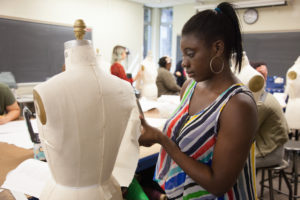
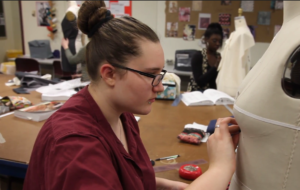
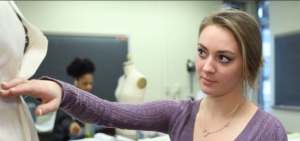
This May, the first group of SUNY Ulster students with a Fashion Design major will be graduating! To celebrate them and their accomplishments, here’s a snapshot of each of these talented students.

Safiyyah Alston

How Interest in Fashion Began: “When I was 4 or 5, my mom and grandma started teaching me how to make doll clothes and mini-quilts. I loved dressing my dolls up!”

Recommendations for Fashion Students: “Stay focused, but don’t lose the excitement and joy you get out of fashion.”

Favorite Part of SUNY Ulster: “The environment! There are so many different people with tons of different ideas and opinions that are so nice to be around and learn from.”

Favorite Classes: “I learned the most new information from my textiles class. I never knew how much went into the fibers and general descriptions. It was amazing and will stay with me.”

Ulster’s Influence on Career Decisions: “I didn’t think I was interested in menswear whatsoever until I had an independent study with Kristin Flynn, and she had me designing men’s clothing.”


Shauna Caines

Recommendations for Fashion Students: “You can go far in fashion. Many people believe that being a fashion designer on the runways in Paris is the only job that there is, and if you don’t make it that big, then there are no other jobs in fashion. Just do what you love and don’t be afraid to take risks. Be different!”

Inspirations: “Growing up, I would always watch Japanese designers that designed their clothing based on culture. I’ve always loved how they would bleach their clothing and make a unique version of something that would have been plain.”

Reasons for Choosing SUNY Ulster: “SUNY Ulster was close to home. I am able to go to school and continue my daily lifestyle as well.”

Favorite Part of SUNY Ulster: “Meeting students with the same desire and being able to build relationships with them, and hearing the success stories of my teachers as well.”

Favorite Fashion Classes: CAD, Costume History, and Sewing


Erica Carlson

How Interest in Fashion Began: “I fell in love with fashion design when I noticed how clothing changed what a person felt like. Clothing shows so much of a person’s personality if used right.”

Inspirations: Graphic designers Wish, James Jean, and Ario Anindito, as well as video games like Horizon Zero Dawn and Alice Madness

Feelings On the Fashion Program: “I have loved the program from day one. There are always new, exciting things to learn and experience in the world of fashion.”

Favorite Fashion Classes: Costume History, Drawing Design, and Studio Design

Ulster’s Influence on Career Decisions: “I knew that I wanted to go into fashion since the summer before seventh grade. Ulster has just reinforced my resolve about going into the fashion industry.”


Jeffrey Gomez

How Interest in Fashion Began: “While in high school and my early years of college, theater was a big part of my life. I always enjoyed being backstage more. In college, you could find me in the costume shop during rehearsal.”

Recommendations for Fashion Students: “Do your research; there are so many career options.”

Steps After Ulster: Attending FIT for their Technical Design program

Favorite Fashion Classes: Pattern Making and CAD

Ulster’s Influence on Career Decisions: “At first I thought about being a costume designer, then CAD designer, then surface/textile designer. Finally, I have decided to pursue technical design.”


Sarah Jayne

How Interest in Fashion Began: “I was interested in the fashion industry from a young age. Recently, I became interested in fashion and body positivity. Plus-size clothing, formalwear, and streetwear have always piqued my interest.”

Recommendations for Fashion Students: “Fashion design isn’t all about wearing stylish outfits. It takes willingness, dedication, patience, and passion. Sometimes fashion design is really stressful, but it’s so worth it.”

Steps After Ulster: Attending Marist’s Fashion Program

Favorite Fashion Classes: Illustration and Draping

Ulster’s Influence on Career Decisions: “The fashion program at Ulster has really opened my eyes to how much really goes into fashion design. People underestimate the time designing takes.”


Libbey Klosterman

Dream Job: “I would love to be a fashion buyer and be able to travel the world.”

Signature Style: “My signatures style is influenced by the 1990s. I want to look like I walked out of the Fresh Prince of Belair!”

Current Piece: A traditional Filipino dress

Favorite Part of SUNY Ulster: “My favorite part of attending SUNY Ulster is the environment and my fashion design professors.”

Ulster’s Influence on Career Decisions: “The fashion program experience overall has helped me grow as a person and given me confidence to broaden my career decisions.”


Theresa Naske

Recommendations for Fashion Students: “Be prepared to work hard. Fashion is not only glamorous gowns- it is everyday clothing, and even the simplest designs require artistry, math, proportion, and good communication.”

Favorite Part of SUNY Ulster: “Instructors! They are helpful, compassionate, and knowledgeable.”

Feelings On the Fashion Program: “It’s demanding, comprehensive, and wonderful!”

Favorite Fashion Classes: Computer-Aided Design and Draping/Pattern-Making

Ulster’s Influence on Career Decisions: “Getting to know industry professionals through review days and internships has shown me that a career in fashion is possible.”


Nicole Pearson

How Interest in Fashion Began: “I have always liked making clothes. I bought myself a sewing machine when I was 12 and went from there.”

Recommendations for Fashion Students: “Don’t underestimate yourself, don’t procrastinate, and never give up when something goes wrong.”

Favorite Part of SUNY Ulster: “The friendships that I’ve made with my classmates in the fashion program and seeing how much we’ve progressed over the past two years.”

Feelings On the Fashion Program: “It’s excellent. The teachers all have years of experience in the industry and push our creativity every day.”

Favorite Fashion Classes: CAD, Design Studio, Patternmaking, Draping


Mirabai Trent

Dream Job:  Learning traditional weaving and embroidery practices from around the world to create and import items for her own business

Recommendations for Fashion Students: “Fashion is a lot more complex than what most would think. There’s so many different worlds inside the world of fashion that work to create everything we wear.”

Steps After Ulster: Volunteering in other countries

Reasons for Choosing SUNY Ulster: “They have an early college program, so I could work to get my degree in fashion while also getting a high school equivalency.”

Favorite Part of SUNY Ulster: Visiting the Design Library with fashion CAD class


Amari Turman-Roosa

Dream Job: Working as a company or celebrity stylist

Inspirations: Gucci, Betsey Johnson, Alice + Olivia

Feelings On the Fashion Program: “I love it. We’re like a small family!”

Favorite Fashion Classes: Draping and Pattern Making

Ulster’s Influence on Career Decisions: “The experience really made fashion grow more on me and reassured me that this is what I want to do.”


Dougie Tyler

Inspirations: “Music. Music has had such a huge influence and impact on everything I design. Some of my greatest designs came from simply listening to a song.”

Dream Job: Designing costumes for Cher or Madonna

Style: “I absolutely refuse to design boring clothes. Even if I design a simple pencil skirt, the fabric will always be bold and look like it’s one of a kind. I want the women I dress to feel like they can conquer the world in my designs.”

Favorite Part of SUNY Ulster: “The professors in the fashion department. They genuinely care about me and push me to strive for the absolute best in my life.”

Feelings on the Fashion Program: “I think it’s an amazing opportunity for anyone to get real, knowledgeable experience in fashion and have an advantage over students who go directly to schools like F.I.T.  I now feel confident going to larger universities.”



What’s After Ulster? How to Find a Transfer College

Group of students in cafeteria leaning over a laptop

It’s nearing springtime again, and, for some of you, that means graduation. But then what? If you’re in a program that requires a bachelor’s or higher for employment, it means finding another college. How do you find that college? How do you know if it’s the right one? Even if you have a dream college you know you want to go to, how do you find back-up options? Hopefully, this post will be helpful in getting you started.

Find Out What’s Available

The best way to start is by doing a Google search of colleges good for your desired major. You probably already have a decent idea of what size and location you would like, so just those three parameters can narrow your options down considerably. Once you have a list, talk to people who know the schools about their experiences. They can be friends, family, and advisors or professors from both Ulster and the schools you’re looking at. Ask people you might not think to ask, like the school’s alumni, employers in your chosen field, and people who transferred out of the school (that’s a big one, find out why they did). Remember not to depend on one particular person’s testimony too much when making decisions though, since in the end the choice is about you and your needs.

The Big Questions

There’s many important things to keep in mind when finding a school and applying, and many are the same as what you already discovered at Ulster: How much will it cost? How much financial aid will you get? Are there scholarships? If you’re a commuter, how much does a parking permit cost? How will your classes from Ulster transfer into the other school’s program? Are the professors good? What are the classes like? How difficult is it to get in? How much will it cost just to apply? By the time you get through them all, you will probably want to throw the whole idea of transferring out the window, but you don’t have to! Colleges will be more than happy to answer all of your questions and assist you with the process. Often they have brochures and tours that will help answer most, if not all, of these questions. If some branches of the college’s admissions department are less helpful than others, don’t be afraid to push for information. It’s your money and your time that will be on the line; you deserve answers.

Does the School Really Fit?

You’ve done your research. You know how good the school is for your major, you’ve talked to a few people who know the school, maybe you’ve even gone and talked to some admissions people. Now here comes a really important part: finding out if the school suits YOU. It doesn’t matter if you’re taking all online classes, going as a commuter, or living on campus, you need to know more about the school itself. Visit! Sometimes, a school will just feel right (or very not). Colleges offer guided tours around campus, both one-on-one and in a group. Many schools offer a shadow program, where you can follow a student around for a day and attend classes with them. This is obviously the ideal situation, as it will give you a real idea of what classes, students, and professors are like at your school. A school can sound great on paper and in pictures, but when you’re actually there, you might find that the “great professors” might be very boring and stuffy, the “83,000 square foot library” could have an exceptionally small amount of books, and the “welcoming commuter lounge” could be a barren corner of the basement that frequently gets used for testing. Know before you commit!

Crunch Time! The College Application

Once you’ve found a few schools you know you’ll be happy attending, it’s time to start applying! Fun fact: did you know there’s an easy, free application that you use as an Ulster graduate when applying to any of the SUNY schools? If a SUNY school is on your list to apply to, that will prove an excellent savings. Don’t forget to apply to several; even if it seems expensive in the moment. Not only could you not be accepted to your favorite one, in addition, after accepting an offer from one, you could still find out that it’s the wrong choice during the enrollment stage. Leave options for yourself.

Remember the Value of Your Decision

Lastly, my personal tip as a transfer student may seem a bit obvious, but I’ll tell it anyway. Try your best to find and go for a place you truly want to attend. In the end, it’s years of your life that you can’t get back. And college should be so much more than just getting that piece of paper at graduation; during your junior year, senior year, and beyond, it’s the opportunities through internships, travel, networking with professors and students, and just plain old friendships that make college great. These things can change the course of your life. Do your best to make a decision that counts.

You’re Not Alone!

No matter what stage of the transferring process you’re in, don’t forget that we have a SUNY Ulster Transfer Office devoted to helping you succeed! Contact Kate Smith at smithk@sunyulster.edu for more information, and stop by her office in Vanderlyn 128C to get help with any transfer problems or concerns you may be having.


Fun Facts About Summer Sessions

Student drawing tree outside

Even though it’s still chilly outside, it’s already time to start thinking about the summer! That’s right, registration is now open for Summer Sessions here at SUNY Ulster, so here’s some interesting facts about these mini-semesters that can help you decide if they might be a good fit for you.

It’s Not Like Summer School in 10th Grade

Let’s dispel this common misconception right away, because you might be thinking, “Summer classes? But I passed all my courses!” The truth is, taking summer classes in college often has very little to do with how well you did in past semesters. Granted, it’s a great way to catch up if you didn’t do well in a past class and want to improve your grade, but most people taking summer courses do it for other reasons. In fact, many students (myself included) have had difficulties with scheduling at one point or another and will need a few extra credits to graduate on time. A summer class or two can make all the difference when it comes to your graduation date, whether that means graduating on time or a semester or two early, and thus affects getting into a 4-year school or joining the workforce. Of course, there are many other great reasons to take summer classes too, such as…

You Can Get a Head Start on College

If you’ve just finished high school and can’t wait to start your college career, summer sessions can be a fantastic way to begin. You have a variety of prerequisites to choose from, and you can try online or in class to see what styles work well for you. By starting early, you’ll have an advantage over all the other freshmen who show up that fall and have yet to adjust to new types of classes, the heavier workload, and meeting new friends and professors.

There’s Lots of Class Options

Not only do you have a number of core classes to choose from, there’s also prerequisites and major courses for many fields being offered. This summer, there’s over 80 different options for classes and times available, so there’s a decent chance you will find something you need at a time that works for you. Not only that, there’s an almost equal number of online and on-campus classes, one of the few times this happens. Take advantage of it!

Not An Ulster Student? No Problem!

Many colleges (particularly other SUNY schools) recommend taking summer classes at a community college to accumulate credits at a good price for when you return to your own school in the fall. So if you’re back in the area for summer, or even halfway across the country with access to the internet, you can take advantage of Ulster’s Summer Sessions. Just be in contact with your school to make sure all requirements will be fulfilled first!

Weather (Shouldn’t) Be An Issue

If you prefer in-class courses but often have travel difficulties, summer classes can be a relaxing change. Just like the rest of the year, there are classes in Stone Ridge and at the KCSU, but you really shouldn’t have to worry about driving in snowstorms or waiting for the bus in sub-zero weather to get to them. Additionally, many students say they enjoy the energy in summer classes, since the weather is brighter and classes tend to be smaller, and classmates and professors tend to spend more time together and get to know each other better.

It Keeps You in the Studying Mindset

Okay, this could be either good or bad, but if you’re like most people, that break from homework in the summer makes it all the harder to go back to school in the fall. Summer sessions minimize that and keep you in the class-attending, homework-accomplishing mood we all have to be in to finally graduate. Summer sessions can be difficult, due to the condensed time frame they often work in, as they typically run for 8 weeks instead of 15. This can be a benefit, however, since it keeps you in the mindset needed to get work done and can help you get through a dull course or prerequisite quickly, so that next fall you can start taking more fun classes!

Look at the full list of classes offered this summer, with their session dates and online/in-class options, here. If you find a good fit, register today!