

The news recently reported that there is a huge rise in the number of suicide, self-harm, and missing students due to the pandemic. Issues students are faced with: feelings of anxiety from being isolated, having to go for frequent covid testing, struggling with learning remotely or even grieving the loss of a loved one due to covid.
Here are 3 ways to be a better professor to help your students thrive:
Be Available, let students know how they can best reach you. Give students extra time before or after class to ask questions. Professors might want to offer one-on-one Zoom online meetings for struggling students.
Be Helpful, let students know you care by sending an email with helpful resources and try including a motivational quote to encourage the student. A student might just need to find a tutor or a gentle push to visit the writing center for extra help for proofing their term papers.
Be Sensitive, let students vent, as they are being asked to isolate at home or social distance on campus. Imagine having your own college campus experience being rip away from you. If you understanding the student’s situation, then you can create a more compassionate response.
I often find that students actually make me a better teacher. This semester, I am making myself more available remotely for students to listen to their difficulties. If a student is suffering from a recent life challenge, then I let them know that I pray for them that their situation would improve. This lets the student know that someone cares about what happens in their lives. So far, it has been well received. Sometimes having a teacher who is willing to listen and offer extra resources, or even a prayer is all a student needs to get through their challenging crisis. Most of all, encourage students to reach out for help immediately.
How do you help your students thrive?
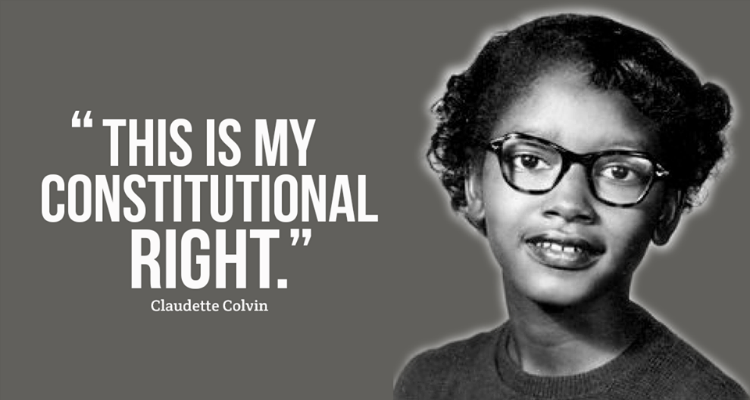
 In 1955 Claudette Colvin was just 15 years old. She had to take the public bus to and from school each day. At this time in our nation’s scandalous history, there were many rules that Black Americans had to abide by. One such rule was that if all of the “white” seats were filled on the segregated busses, then Black passengers had to forfeit their seats and stand at the back of the bus to accommodate the White passengers.
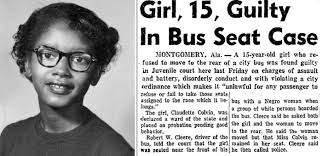 Colvin recalled from the day of her arrest that, “History kept me stuck to my seat. I felt the hand of Harriet Tubman pushing down on one shoulder and Sojourner Truth pushing down on the other.”
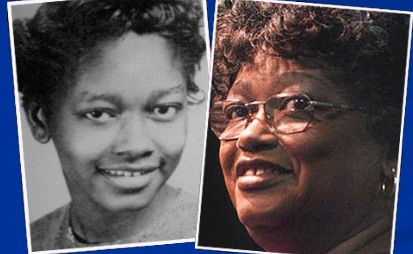 In later years Colvin was recognized for her actions and contributions to the Civil Rights Movement but, for her, it was almost too little, too late. She has always maintained that she isn’t angry that she didn’t get more recognition at the time, only disappointed.


 Our Chief Diversity Officer, Candice Van Dyke – London, stated in a recent interview that SUNY Ulster wants to create awareness and open dialogue. We want to focus on the acknowledgment and celebration of Black Americans’ contributions throughout the history of the world. It is her desire that highlighting these contributions will help everyone move away from the one-dimensional view that America has of Black history.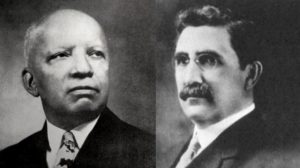





 Arnaldo Sehwerert, Regional Director shares, “SBDC’s free business counseling services has provided much needed support to local entrepreneurs for 35 years, during good and bad times. And, SUNY Ulster continues to assist in this contribution to the wellness of the local economy.”
 Sam Kandel’s client, Pine Ridge Dude Ranch, was awarded SBDC Tourism Business of the Year. Mike Offner, who took ownership of the ranch after its owner passed away suddenly worked closely with employees to bring the ranch back to life under the guidance of SBDC’s Sam Kandel. Sam Kandel notes, “Serving the needs of the small business community in Ulster County is a distinct honor. What we at the SBDC invest in time and energy with our clients, the community gets back in spades with investment, job creation, and economic prosperity.”