
The grant will help satisfy the growing need for environmental STEM workers in the Hudson Valley region
December 5, 2022 – Stone Ridge, NY – SUNY Ulster announces it has been awarded a three-year $349,838 National Science Foundation Grant to Support Applied Learning in its Environmental Studies program. The goal of the project is to improve student retention and career readiness in environmental STEM students to fill a growing industry need for qualified workers in the Hudson Valley.
SUNY Ulster offers one of the most affordable Environmental Studies degrees in the region, serving many nontraditional students who may be working, and have limited funds for college, or first-generation students as well as traditional graduating high school students. This grant will offer these students the opportunity to conduct field research during class time, giving them the skills to work for the NYC Department of Environmental Protection (DEP) and in other environmental careers.
SUNY Ulster is augmenting its General BIO II lab with in-class and in-the-field research activities that mirror industry settings and standards. To accomplish this, faculty will work with industry partners, including the New York City Department of Environmental Protection (DEP) and the Ulster County Executive’s Office. This collaboration will result in students learning technical skills such as GIS, water quality, and safety as well as soft skills such as problem-solving, effective communication, and collaboration.
Environmental Studies program coordinator and professor, Dr. Jennifer Guiher, states, “We are looking for students who see a career in Environmental Studies as a calling. As these students progress through the program, they will be gaining specific hands-on skills needed by the environmental industry. These skills will make these students desirable to many potential employers. Whether students further their education at a four-year college or university or decide to move directly into a job upon attaining their Associate’s degree, they will be in a position to earn a liveable wage.”
Chris Marx, Vice President for Workforce, Economic Development, and Community Partnerships believes, “This program is exactly what community colleges were designed to do. Working with our partners at the NYCDEP, our faculty can build modern, real-world skills into their curriculum. Our students complete the program ready to move into competitive jobs in this field. Our local employers are able to hire talent right from the community. It is a win-win for our students and the community.
Former Ulster County Executive Patrick Ryan, now U.S. Congressman, and his Ulster County team, further fostered the connection between NYCDEP and SUNY Ulster in Environmental Studies and water quality programs.
National, state, and local employment projections indicate a growing demand for skilled workers for those with Associate degrees and higher. A recent article for science.org by practicing scientist and author Adam Ruben, Ph.D. reveals, “We often looked for fresh-out-of-college candidates who had worked in a lab for at least a year and finding them wasn’t easy.
To help support interested students with financial needs, the Ulster Community College Foundation will award $1 million in scholarships this year. Students fill out one application to be considered for over one hundred scholarships.
The NYCDEP, one of the largest employers in the region and charged with the important role of maintaining the quality of New York City’s drinking water, and SUNY Ulster have had a longstanding relationship. For over 20 years each summer, the DEP has taken on about eight SUNY Ulster students for paid internships, some of which have resulted in permanent positions with them.
To learn more about SUNY Ulster’s Environmental Studies program visit sunyulster.edu/enviro_studies.
# # #
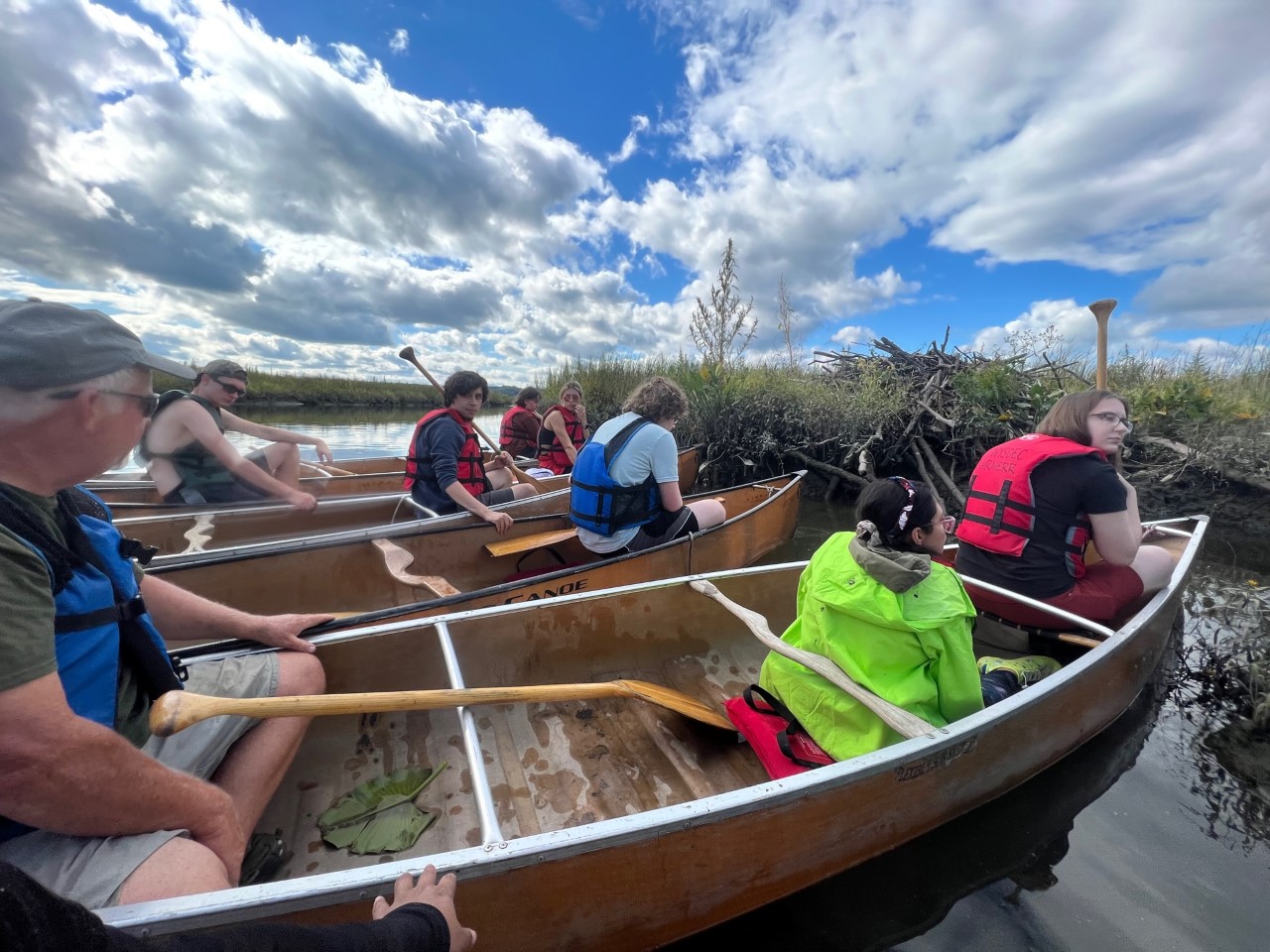
Photo caption: SUNY Ulster students conducting fieldwork at Tivoli Bay Marsh on the east side of the Hudson River.








 In 1955 Claudette Colvin was just 15 years old. She had to take the public bus to and from school each day. At this time in our nation’s scandalous history, there were many rules that Black Americans had to abide by. One such rule was that if all of the “white” seats were filled on the segregated busses, then Black passengers had to forfeit their seats and stand at the back of the bus to accommodate the White passengers.
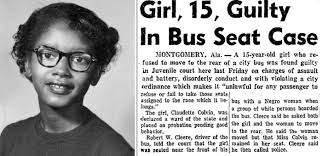 Colvin recalled from the day of her arrest that, “History kept me stuck to my seat. I felt the hand of Harriet Tubman pushing down on one shoulder and Sojourner Truth pushing down on the other.”
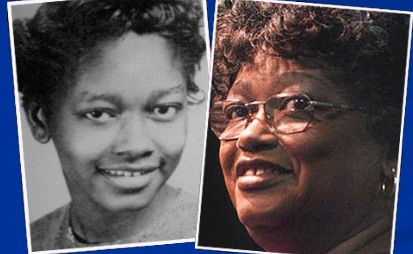 In later years Colvin was recognized for her actions and contributions to the Civil Rights Movement but, for her, it was almost too little, too late. She has always maintained that she isn’t angry that she didn’t get more recognition at the time, only disappointed.